Preventive Maintenance for Industrial Automation | Long-Term Reliability
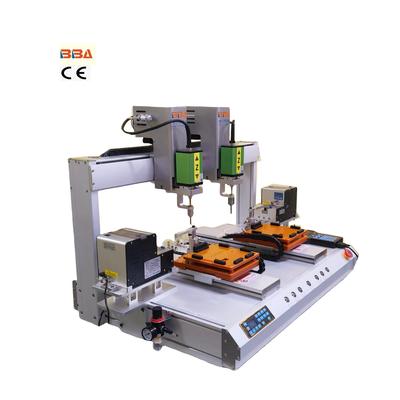
| Product Name | Applicable industries |
| Screw Fastening Unit | Electric Bicycle Assembly |
Preventive Maintenance for Long-Term Reliability
In the world of industrial automation, achieving peak performance is not a one-time event but a continuous journey. The cornerstone of this journey is a robust and well-executed preventive maintenance strategy. Moving beyond the traditional reactive approach—fixing equipment only after it breaks down—preventive maintenance is a proactive philosophy designed to ensure long-term reliability, maximize uptime, and protect your valuable capital investments.
What is Preventive Maintenance?
Preventive maintenance (PM) is a scheduled, planned regimen of inspection, cleaning, testing, and component replacement performed on automation equipment. Its primary goal is to prevent unexpected failures before they occur. Think of it as regular health check-ups for your machinery. By consistently monitoring the condition of critical components like sensors, controllers, drives, and mechanical assemblies, potential issues can be identified and resolved at an early stage, often long before they can escalate into costly production-stopping events.
The Direct Benefits to Your Operation
The implementation of a systematic preventive maintenance program delivers tangible and significant returns across your entire operation.
- Maximized Equipment Uptime and Availability: Unplanned downtime is the enemy of productivity. PM drastically reduces the frequency of catastrophic failures, keeping your lines running smoothly and your production schedules on track.
- Extended Equipment Lifespan: Regular care reduces wear and tear on components. Well-lubricated, clean, and properly calibrated equipment simply lasts longer, delaying the need for costly capital replacements.
- Improved Safety and Risk Mitigation: Malfunctioning industrial equipment can pose serious safety hazards. Preventive maintenance ensures that safety systems, emergency stops, and guards are functioning correctly, creating a safer work environment for personnel.
- Consistent Product Quality: Automation systems that are well-maintained operate within their specified parameters. This leads to consistent output, reduced product variation, and fewer quality rejects, directly protecting your bottom line.
- Lower Overall Maintenance Costs: While PM requires an investment in time and resources, it is far less expensive than emergency repairs. It avoids the high costs associated with urgent call-outs, overnight shipping for parts, and collateral damage to other systems caused by a sudden failure.
Key Components of an Effective Preventive Maintenance Plan
Creating an effective PM plan requires more than just occasional checks. It should be a detailed, living document tailored to your specific equipment and operational environment.
- Equipment-Specific Schedules: Develop maintenance checklists and timelines based on the manufacturer's recommendations, historical performance data, and the criticality of each asset to your process.
- Comprehensive Checklists: Tasks should include visual inspections for wear or damage, cleaning of optical sensors and contacts, tightening of electrical connections, verification of calibration, and lubrication of moving parts.
- Documentation and Record-Keeping: Meticulously log every inspection, service action, and replacement part. This historical data is invaluable for tracking asset health, predicting future failures, and optimizing the PM schedule itself.
- Training and Empowerment: Ensure maintenance technicians are properly trained on both the procedures and the underlying technology. Empower them to understand the "why" behind each task to foster ownership and diligence.
Proactive Tip: Leverage the built-in diagnostics and data logging features of modern automation products. Many controllers and drives can track operating hours, cycle counts, and error histories, providing a data-driven foundation for your maintenance intervals and helping you transition towards predictive maintenance.
Conclusion: An Investment in Reliability
Preventive maintenance is not merely a cost center; it is a strategic investment in the reliability and longevity of your industrial automation systems. In an era where efficiency and uptime are paramount, a disciplined PM program is your most powerful tool for avoiding disruptive failures, controlling costs, and ensuring your operations run with unwavering reliability for years to come. The question is not whether you can afford to implement preventive maintenance, but whether you can afford not to.