Desktop vs Inline Automatic Screw Locking Machines: Selection Guide for Industrial Automation
| Product Name | Applicable industries |
| Inline Screw Locking System | Drone and UAV Manufacturing |
In the world of industrial automation, selecting the right equipment for assembly processes can significantly impact productivity, cost-efficiency, and long-term operational success. Among the critical tools in manufacturing workflows are automatic screw locking machines, which streamline fastening tasks with precision. Two primary configurations dominate this space: desktop models and inline systems. Understanding their differences is essential for making an informed decision tailored to your production needs.
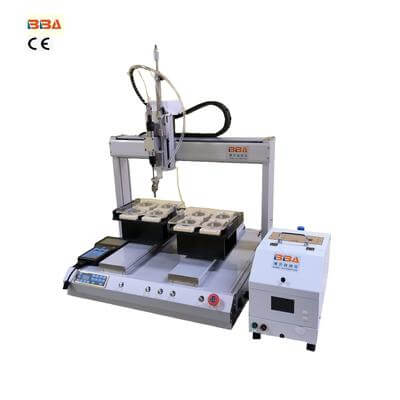
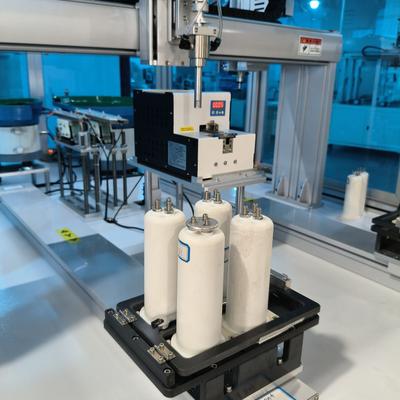
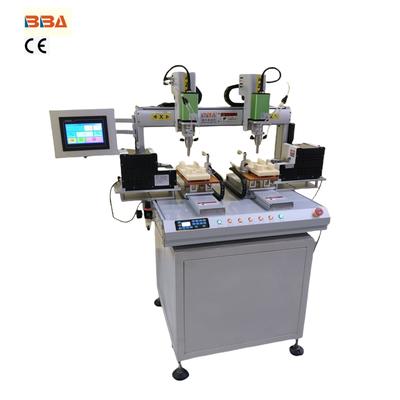
Desktop Automatic Screw Locking Machines are compact, standalone units designed for flexibility. Ideal for small-scale production or prototyping, they require minimal setup and can be easily relocated between workstations. Their modular design allows operators to handle low-to-medium volumes of products with varying screw types and sizes. Maintenance is straightforward due to their simplified structure, and their lower upfront cost makes them accessible for startups or facilities with budget constraints. However, their manual loading processes and limited integration capabilities may reduce throughput in high-volume environments.
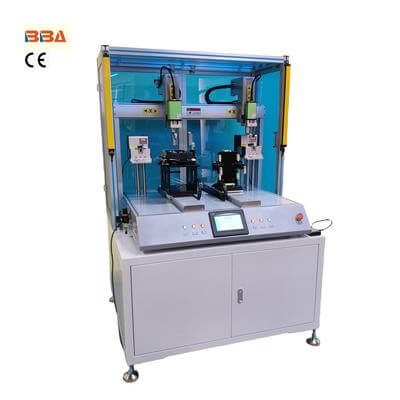
Inline Automatic Screw Locking Machines, by contrast, are engineered for seamless integration into conveyor-based assembly lines. These systems automate the entire fastening process—feeding, positioning, and tightening screws—without human intervention. Their high-speed operation and continuous workflow make them indispensable for mass production, where even minor efficiency gains translate to substantial cost savings. While the initial investment and installation complexity are higher, inline systems offer superior scalability, reduced labor costs, and consistent quality control. They excel in environments requiring standardized processes but may lack the adaptability needed for frequent product design changes.
Key factors to consider include production volume, floor space, and future scalability. Desktop units suit businesses prioritizing versatility and low initial costs, while inline systems are optimal for enterprises focused on maximizing output and automation. Hybrid solutions, combining both configurations, may also be viable for manufacturers balancing diverse product lines with high-volume demands.
Ultimately, the choice hinges on aligning the machine’s capabilities with your operational goals. Analyze throughput requirements, budget constraints, and adaptability needs to determine whether a desktop or inline system will drive greater efficiency and competitiveness in your assembly processes.