How to Choose Automatic Screw Assembly Machine | Industrial Fastening Solutions
| Product Name | Applicable Industry |
| Screw Fastening Unit | Drone and UAV Manufacturing |
How to Choose the Right Automatic Screw Assembly Machine
Automatic screw assembly machines are critical for enhancing productivity and precision in manufacturing processes. Selecting the right machine requires careful consideration of several factors. This guide outlines key criteria to help you make an informed decision.
1. Assess Your Production Requirements
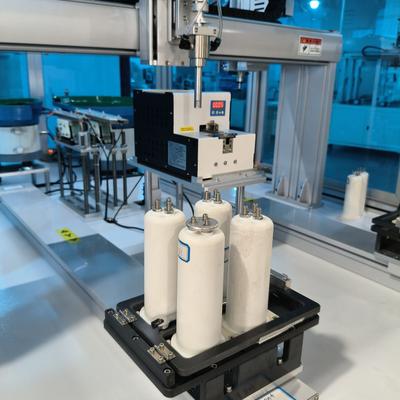
Start by evaluating your production volume, product design, and screw specifications. High-volume manufacturing requires machines with faster cycle times and continuous feeding systems. For smaller batches, a semi-automatic or modular system may suffice. Consider screw size, head type, and material compatibility to ensure the machine can handle your specific tasks.
2. Determine Machine Type
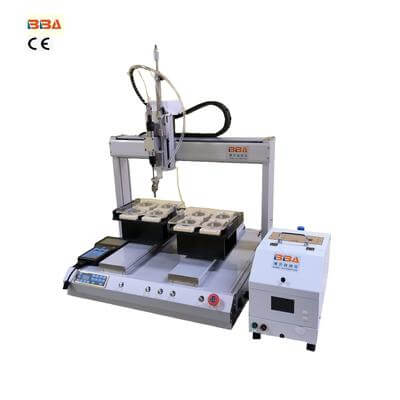
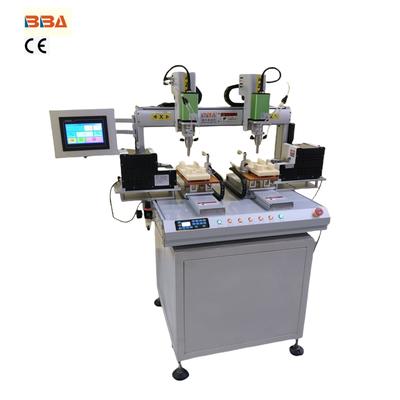
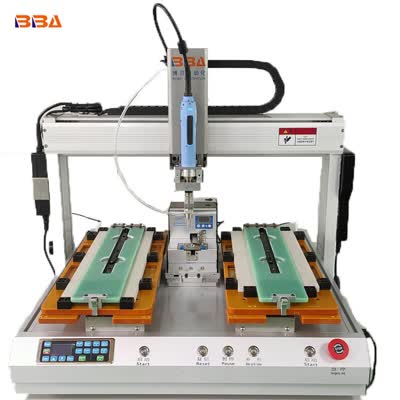
Single-Spindle vs. Multi-Spindle: Single-spindle machines are ideal for linear assembly lines, while multi-spindle models handle complex applications requiring simultaneous screwdriving. For multi-angle fastening, robotic screwdrivers with flexible arms offer greater adaptability.
3. Evaluate Technical Features
- Torque Control: Precision torque settings prevent over-tightening and product damage.
- Feed System Efficiency: Vibratory bowls or tape feeders should minimize jamming.
- Compatibility: Ensure support for various screw sizes and materials (steel, plastic).
- Automation Integration: Compatibility with existing systems or IoT-enabled production lines.
4. Consider Maintenance and Support
Choose suppliers offering technical support, training, and spare parts. Modular designs simplify repairs. Check warranty terms and service agreements.
5. Test Before Purchase
Request a demo to evaluate speed, accuracy, and usability. Testing helps identify issues and ensures workflow compatibility.
Prioritize these factors to select a machine that optimizes efficiency, reduces costs, and aligns with production goals. Thorough research and testing ensure long-term benefits.