Safety Practices for Operating Auto Screw Assemblers | Industrial Safety Guide
| Product Name | Applicable industries |
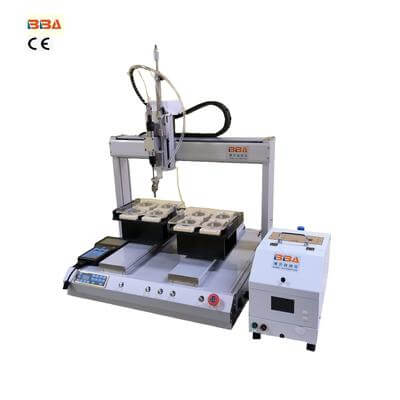
| Desktop Screwdriver Robot | Security Equipment Manufacturing |
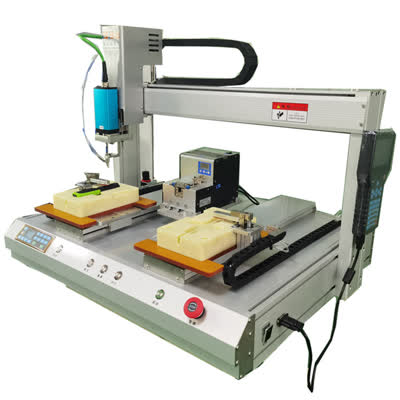
Safety Practices When Operating Auto Screw Assemblers
Auto screw assemblers are essential tools in modern manufacturing, streamlining production processes with precision and efficiency. However, their operation requires strict adherence to safety protocols to prevent accidents, equipment damage, and workplace injuries. This article outlines critical safety practices for operators and maintenance personnel working with these machines.
1. Pre-Operation Safety Checks
Inspect the machine for visible damage, loose components, or misaligned parts before powering it on. Verify that all safety guards and emergency stop buttons are functional. Ensure the workspace is free of obstructions, and the floor is dry to prevent slips. Check that the screw feeder and torque settings match the specifications for the current production task.
2. Personal Protective Equipment (PPE)
Operators must wear safety goggles to protect against flying debris. Avoid loose clothing, jewelry, or gloves that could get caught in moving parts. Use closed-toe shoes with anti-slip soles, and tie back long hair securely. For noise-intensive environments, provide hearing protection such as earmuffs or earplugs.
3. Safe Operating Procedures
Always engage the machine’s two-hand control system (if equipped) to prevent accidental activation. Never bypass safety interlocks or modify machine programming without authorization. Keep hands and tools away from the clamping and driving zones during operation. Use magnetic trays or organizers to store screws and components securely.
4. Emergency Response Preparedness
Train all operators to immediately press the emergency stop (E-stop) button if a malfunction or hazardous situation occurs. Post clear evacuation routes and first-aid protocols near workstations. Conduct monthly drills to reinforce rapid response to scenarios like electrical faults or mechanical jams.
5. Maintenance & Lockout/Tagout (LOTO)
Perform routine maintenance only when the machine is fully powered down and disconnected from energy sources. Follow LOTO procedures by applying physical locks and warning tags to control panels. Clean debris from sensors and lubrication points weekly, and replace worn drive belts or bits according to the manufacturer’s schedule.
6. Operator Training & Competency
Implement a certification program requiring hands-on training and written exams. Update training modules annually to reflect hardware/software upgrades. Encourage experienced operators to share practical insights about troubleshooting common issues safely.
By integrating these safety measures into daily operations, businesses can maintain high productivity while prioritizing worker well-being. Regular audits of safety compliance and open communication about hazard reporting further strengthen a culture of safety in automated manufacturing environments.