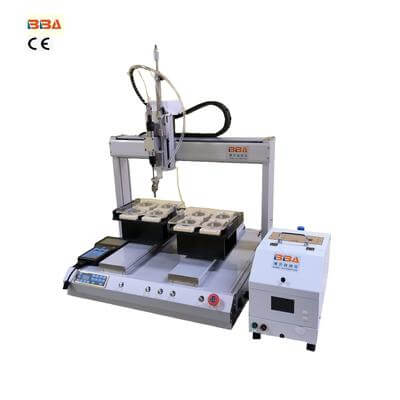
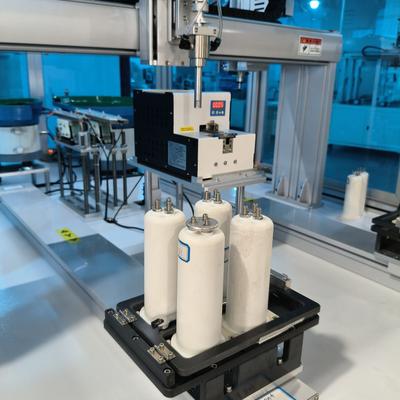
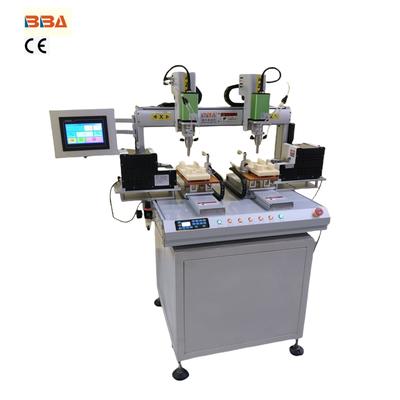
**How to Maximize Throughput in Tightening Applications**
In tightening applications—whether for automotive assembly, aerospace manufacturing, or industrial equipment production—achieving high throughput while maintaining precision is critical. The challenge lies in balancing speed with accuracy, especially when dealing with complex fastening processes or stringent quality standards. To maximize throughput without compromising performance, manufacturers must adopt a combination of advanced technology, optimized workflows, and data-driven strategies.
**Optimize Process Design and Equipment Selection**
The foundation of high throughput starts with selecting the right tools and designing an efficient workflow. Pneumatic or electric torque tools should be chosen based on the application’s torque range, speed requirements, and repeatability. Electric screwdrivers or servo-driven systems often outperform pneumatic tools in precision and energy efficiency, reducing cycle time. Additionally, integrating tools with programmable logic controllers (PLC) or IoT-enabled systems allows for real-time adjustments, minimizing downtime between tasks.
**Leverage Advanced Sensor Technology**
Modern torque and angle sensors are indispensable for tightening applications. These sensors provide real-time feedback to ensure each fastener meets exact specifications. Closed-loop control systems, which adjust torque or angle dynamically during the tightening process, prevent over-tightening or under-tightening. This reduces rework and ensures consistent quality, directly boosting throughput by eliminating pauses for manual inspection.
**Implement Predictive Maintenance**
Unplanned equipment downtime is a major throughput killer. Predictive maintenance strategies, powered by vibration analysis, thermal monitoring, or AI-driven diagnostics, can identify potential tool failure before it occurs. For example, monitoring motor current in electric tools can detect wear in gears or bearings, allowing maintenance to be scheduled during non-production hours. This proactive approach keeps tools running at peak performance and avoids costly interruptions.
**Streamline Data Integration and Analysis**
Data is the backbone of throughput optimization. Integrating tightening systems with centralized databases or Manufacturing Execution Systems (MES) enables operators to track performance metrics such as cycle time, error rate, and tool utilization. Advanced analytics can identify bottlenecks—for instance, a specific station where torque calibration delays occur—and suggest process adjustments. Real-time dashboards also empower teams to make immediate decisions, reducing lag between detection and resolution.
**Prioritize Operator Training and Ergonomics**
Even the most advanced systems rely on human oversight. Well-trained operators who understand tool calibration, error troubleshooting, and workflow nuances can significantly reduce downtime. Ergonomic tool design, such as lightweight electric screwdrivers or anti-vibration handles, minimizes operator fatigue, enabling faster and more consistent performance over extended shifts.
**Standardize Tightening Parameters**
Variability in torque or angle settings across production lines leads to inefficiency. Standardizing parameters for similar applications—based on material specifications, fastener type, and joint requirements—ensures uniformity and reduces setup time. Using pre-programmed recipes in smart tools allows operators to switch between tasks seamlessly, eliminating manual adjustments and potential errors.
**Adopt Collaborative Automation**
For high-volume applications, collaborative robots (cobots) equipped with torque-controlled end-effectors can work alongside human operators to handle repetitive tasks. Cobots maintain consistent speed and precision while freeing up human workers for complex quality checks or process optimization. This hybrid approach maximizes throughput without the need for fully automated systems, which may require significant capital investment.
**Continuous Improvement Through Feedback Loops**
Finally, establishing a feedback loop between production data, quality control, and R&D teams ensures long-term throughput gains. Analyzing trends in defect rates or tool performance can drive iterative improvements in both hardware and processes. For example, adjusting tightening sequences based on historical data might shave milliseconds off each cycle, resulting in substantial cumulative savings over thousands of units.
By integrating these strategies, manufacturers can achieve a competitive edge in tightening applications. The key lies in harmonizing technology, data, and human expertise to push the boundaries of speed, precision, and reliability.
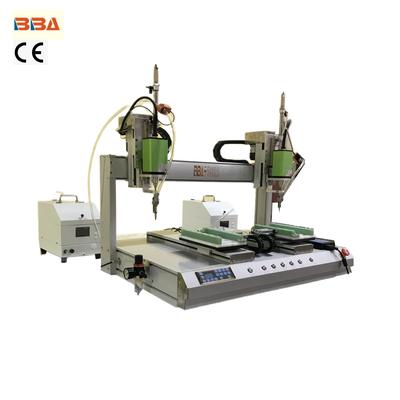 **How to Maximize Throughput in Tightening Applications**
In tightening applications—whether for automotive assembly, aerospace manufacturing, or industrial equipment production—achieving high throughput while maintaining precision is critical. The challenge lies in balancing speed with accuracy, especially when dealing with complex fastening processes or stringent quality standards. To maximize throughput without compromising performance, manufacturers must adopt a combination of advanced technology, optimized workflows, and data-driven strategies.
**Optimize Process Design and Equipment Selection**
The foundation of high throughput starts with selecting the right tools and designing an efficient workflow. Pneumatic or electric torque tools should be chosen based on the application’s torque range, speed requirements, and repeatability. Electric screwdrivers or servo-driven systems often outperform pneumatic tools in precision and energy efficiency, reducing cycle time. Additionally, integrating tools with programmable logic controllers (PLC) or IoT-enabled systems allows for real-time adjustments, minimizing downtime between tasks.
**Leverage Advanced Sensor Technology**
Modern torque and angle sensors are indispensable for tightening applications. These sensors provide real-time feedback to ensure each fastener meets exact specifications. Closed-loop control systems, which adjust torque or angle dynamically during the tightening process, prevent over-tightening or under-tightening. This reduces rework and ensures consistent quality, directly boosting throughput by eliminating pauses for manual inspection.
**Implement Predictive Maintenance**
Unplanned equipment downtime is a major throughput killer. Predictive maintenance strategies, powered by vibration analysis, thermal monitoring, or AI-driven diagnostics, can identify potential tool failure before it occurs. For example, monitoring motor current in electric tools can detect wear in gears or bearings, allowing maintenance to be scheduled during non-production hours. This proactive approach keeps tools running at peak performance and avoids costly interruptions.
**Streamline Data Integration and Analysis**
Data is the backbone of throughput optimization. Integrating tightening systems with centralized databases or Manufacturing Execution Systems (MES) enables operators to track performance metrics such as cycle time, error rate, and tool utilization. Advanced analytics can identify bottlenecks—for instance, a specific station where torque calibration delays occur—and suggest process adjustments. Real-time dashboards also empower teams to make immediate decisions, reducing lag between detection and resolution.
**Prioritize Operator Training and Ergonomics**
Even the most advanced systems rely on human oversight. Well-trained operators who understand tool calibration, error troubleshooting, and workflow nuances can significantly reduce downtime. Ergonomic tool design, such as lightweight electric screwdrivers or anti-vibration handles, minimizes operator fatigue, enabling faster and more consistent performance over extended shifts.
**Standardize Tightening Parameters**
Variability in torque or angle settings across production lines leads to inefficiency. Standardizing parameters for similar applications—based on material specifications, fastener type, and joint requirements—ensures uniformity and reduces setup time. Using pre-programmed recipes in smart tools allows operators to switch between tasks seamlessly, eliminating manual adjustments and potential errors.
**Adopt Collaborative Automation**
For high-volume applications, collaborative robots (cobots) equipped with torque-controlled end-effectors can work alongside human operators to handle repetitive tasks. Cobots maintain consistent speed and precision while freeing up human workers for complex quality checks or process optimization. This hybrid approach maximizes throughput without the need for fully automated systems, which may require significant capital investment.
**Continuous Improvement Through Feedback Loops**
Finally, establishing a feedback loop between production data, quality control, and R&D teams ensures long-term throughput gains. Analyzing trends in defect rates or tool performance can drive iterative improvements in both hardware and processes. For example, adjusting tightening sequences based on historical data might shave milliseconds off each cycle, resulting in substantial cumulative savings over thousands of units.
By integrating these strategies, manufacturers can achieve a competitive edge in tightening applications. The key lies in harmonizing technology, data, and human expertise to push the boundaries of speed, precision, and reliability.
**How to Maximize Throughput in Tightening Applications**
In tightening applications—whether for automotive assembly, aerospace manufacturing, or industrial equipment production—achieving high throughput while maintaining precision is critical. The challenge lies in balancing speed with accuracy, especially when dealing with complex fastening processes or stringent quality standards. To maximize throughput without compromising performance, manufacturers must adopt a combination of advanced technology, optimized workflows, and data-driven strategies.
**Optimize Process Design and Equipment Selection**
The foundation of high throughput starts with selecting the right tools and designing an efficient workflow. Pneumatic or electric torque tools should be chosen based on the application’s torque range, speed requirements, and repeatability. Electric screwdrivers or servo-driven systems often outperform pneumatic tools in precision and energy efficiency, reducing cycle time. Additionally, integrating tools with programmable logic controllers (PLC) or IoT-enabled systems allows for real-time adjustments, minimizing downtime between tasks.
**Leverage Advanced Sensor Technology**
Modern torque and angle sensors are indispensable for tightening applications. These sensors provide real-time feedback to ensure each fastener meets exact specifications. Closed-loop control systems, which adjust torque or angle dynamically during the tightening process, prevent over-tightening or under-tightening. This reduces rework and ensures consistent quality, directly boosting throughput by eliminating pauses for manual inspection.
**Implement Predictive Maintenance**
Unplanned equipment downtime is a major throughput killer. Predictive maintenance strategies, powered by vibration analysis, thermal monitoring, or AI-driven diagnostics, can identify potential tool failure before it occurs. For example, monitoring motor current in electric tools can detect wear in gears or bearings, allowing maintenance to be scheduled during non-production hours. This proactive approach keeps tools running at peak performance and avoids costly interruptions.
**Streamline Data Integration and Analysis**
Data is the backbone of throughput optimization. Integrating tightening systems with centralized databases or Manufacturing Execution Systems (MES) enables operators to track performance metrics such as cycle time, error rate, and tool utilization. Advanced analytics can identify bottlenecks—for instance, a specific station where torque calibration delays occur—and suggest process adjustments. Real-time dashboards also empower teams to make immediate decisions, reducing lag between detection and resolution.
**Prioritize Operator Training and Ergonomics**
Even the most advanced systems rely on human oversight. Well-trained operators who understand tool calibration, error troubleshooting, and workflow nuances can significantly reduce downtime. Ergonomic tool design, such as lightweight electric screwdrivers or anti-vibration handles, minimizes operator fatigue, enabling faster and more consistent performance over extended shifts.
**Standardize Tightening Parameters**
Variability in torque or angle settings across production lines leads to inefficiency. Standardizing parameters for similar applications—based on material specifications, fastener type, and joint requirements—ensures uniformity and reduces setup time. Using pre-programmed recipes in smart tools allows operators to switch between tasks seamlessly, eliminating manual adjustments and potential errors.
**Adopt Collaborative Automation**
For high-volume applications, collaborative robots (cobots) equipped with torque-controlled end-effectors can work alongside human operators to handle repetitive tasks. Cobots maintain consistent speed and precision while freeing up human workers for complex quality checks or process optimization. This hybrid approach maximizes throughput without the need for fully automated systems, which may require significant capital investment.
**Continuous Improvement Through Feedback Loops**
Finally, establishing a feedback loop between production data, quality control, and R&D teams ensures long-term throughput gains. Analyzing trends in defect rates or tool performance can drive iterative improvements in both hardware and processes. For example, adjusting tightening sequences based on historical data might shave milliseconds off each cycle, resulting in substantial cumulative savings over thousands of units.
By integrating these strategies, manufacturers can achieve a competitive edge in tightening applications. The key lies in harmonizing technology, data, and human expertise to push the boundaries of speed, precision, and reliability.