Automated Screw Assembly Machines for LED & Lighting Manufacturing | Precision Fastening Solutions
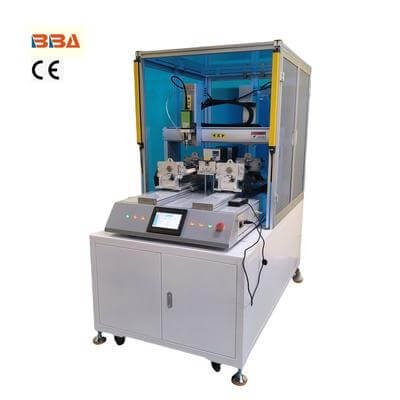
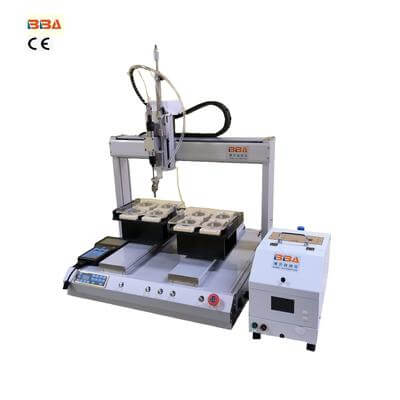
| Product Name | Applicable industries |
| Desktop Screwdriver Robot | Electric Bicycle Assembly |
In today’s fast-paced manufacturing landscape, precision and efficiency are no longer optional – they are essential. For industries specializing in lighting and LED production, the demand for high-quality automated solutions has surged, driven by the need for consistency, scalability, and cost-effectiveness. At the forefront of this transformation are screw assembly machines, which have become indispensable tools for manufacturers aiming to stay competitive in a rapidly evolving market.
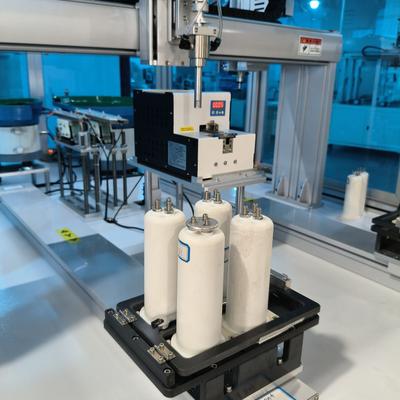
Modern screw assembly machines are engineered to address the unique challenges faced by lighting and LED producers. These systems excel in handling delicate components, such as fragile LED modules, diffusers, and precision-engineered housing units, without compromising speed or accuracy. By automating repetitive tasks like screwdriving, fastening, and torque control, manufacturers eliminate human error, reduce assembly time, and ensure uniform product quality across high-volume batches.
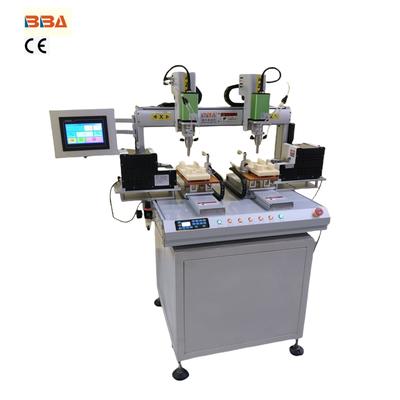
One of the standout features of advanced screw assembly systems is their adaptive design. Whether assembling compact consumer LED bulbs or industrial-grade lighting fixtures, these machines can be customized to accommodate varying screw sizes, material types, and production line layouts. Modular configurations allow seamless integration with existing conveyor systems, robotics, or quality inspection units, creating a cohesive workflow that maximizes throughput.
Precision is paramount in LED manufacturing, where even micron-level deviations can affect optical performance. Cutting-edge screw assembly machines address this through real-time monitoring and closed-loop feedback systems. Integrated sensors continuously measure torque, angle, and depth during the fastening process, automatically adjusting parameters to maintain tight tolerances. This capability is critical for ensuring waterproof seals in outdoor lighting or securing heat-sensitive components in high-power LED arrays.
Sustainability is another key advantage. Automated screw assembly reduces material waste by eliminating over-tightening and cross-threading, while energy-efficient motors minimize power consumption. For LED manufacturers committed to eco-friendly practices, these systems align with broader goals of reducing carbon footprints and optimizing resource utilization.
The rise of smart manufacturing has further elevated the role of screw assembly technology. IoT-enabled machines now offer predictive maintenance alerts, production analytics, and remote diagnostics. Lighting producers can monitor assembly line performance in real time, identify bottlenecks, and implement data-driven improvements. This connectivity not only enhances operational efficiency but also supports just-in-time production strategies essential for meeting fluctuating market demands.
From residential smart bulbs to commercial street lighting projects, automated screw assembly machines empower manufacturers to scale production without sacrificing quality. As LED technology continues to advance – with trends like miniaturization, higher lumens per watt, and integrated smart controls – the precision and flexibility of these systems will remain vital. Manufacturers investing in advanced automation today position themselves to lead tomorrow’s lighting revolution.
In conclusion, screw assembly machines have transitioned from auxiliary tools to strategic assets in lighting and LED production. By delivering unmatched accuracy, adaptability, and intelligence, they enable manufacturers to meet the dual challenges of rising consumer expectations and global competition. As industries continue to embrace Industry 4.0 principles, the integration of such advanced automation solutions will undoubtedly illuminate the path toward smarter, more sustainable manufacturing ecosystems.