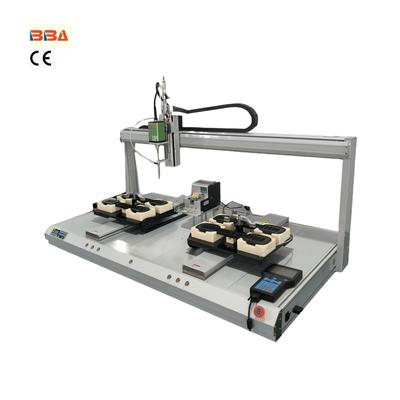
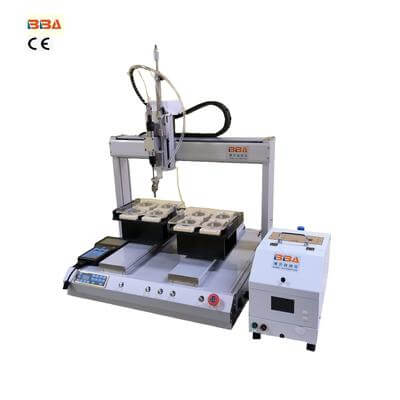
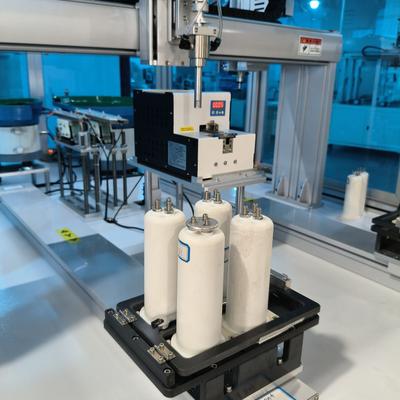
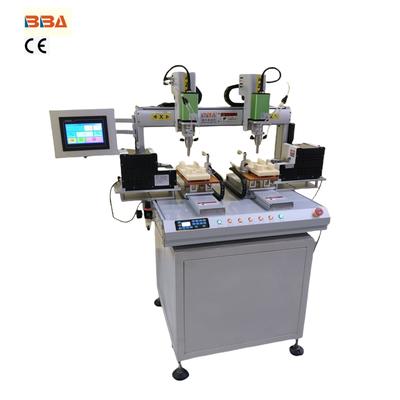
Automatic Screw Feeder Systems for Industrial Automation
| Product Name | Applicable industries |
| Automatic Screw Feeder | Industrial Control Panel Assembly |
In today's competitive manufacturing landscape, efficiency and precision are more critical than ever. As a result, an increasing number of factories are making the shift toward automatic screw systems to streamline their assembly processes. This transition is driven by several key factors that impact both productivity and the bottom line.
One of the primary reasons for adopting automatic screw systems is the significant improvement in operational efficiency. Manual screwdriving is time-consuming and prone to inconsistencies, leading to bottlenecks in production lines. Automated systems, on the other hand, can place and fasten screws at high speeds with unmatched accuracy. This not only accelerates the assembly process but also minimizes delays, allowing factories to meet growing demand without compromising quality.
Quality control is another major advantage. Human operators can occasionally make errors, such as cross-threading, over-tightening, or missing screws entirely. These mistakes may lead to product defects, rework, or even recalls—costly outcomes for any manufacturer. Automatic screw systems are designed to perform with consistent torque and positioning, drastically reducing the risk of errors. Many systems also include real-time monitoring and feedback mechanisms, ensuring every screw is perfectly fastened according to specifications.
Labor shortages and rising workforce costs have also prompted factories to seek automation solutions. Recruiting and training personnel for repetitive tasks like screwdriving can be challenging and expensive. Automatic screw systems reduce dependency on manual labor, allowing companies to reassign skilled workers to more value-added activities. This optimizes resource allocation and helps manufacturers maintain productivity despite fluctuations in labor availability.
Worker safety and ergonomics are increasingly important considerations. Repetitive manual tasks can lead to fatigue, strain, and injuries over time. By automating screwdriving operations, factories can create a safer working environment, reducing the physical burden on employees. This not only enhances workplace well-being but also contributes to higher job satisfaction and reduced absenteeism.
Moreover, modern automatic screw systems are highly adaptable and scalable. They can be integrated into existing production lines with minimal disruption and are capable of handling a wide range of screw types and sizes. Whether for electronics, automotive, consumer goods, or other industries, these systems offer the flexibility needed to accommodate diverse manufacturing requirements.
In conclusion, the shift toward automatic screw systems is a strategic move for factories aiming to enhance efficiency, ensure consistent quality, address labor challenges, and improve workplace conditions. As technology continues to advance, these systems will play an increasingly vital role in the future of industrial automation.