Unlock Assembly Line Efficiency: Automatic Screw Locking Machines
How an Automatic Screw Locking Machine Improves Assembly Line Efficiency
In the realm of industrial automation, efficiency reigns supreme. Businesses are constantly seeking innovative solutions to streamline their processes, reduce production costs, and enhance overall output. One such solution that has gained significant traction is the automatic screw locking machine. These machines dramatically impact assembly line efficiency across various manufacturing sectors.
What is an Automatic Screw Locking Machine?
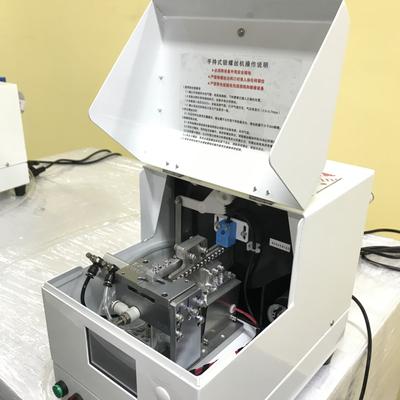
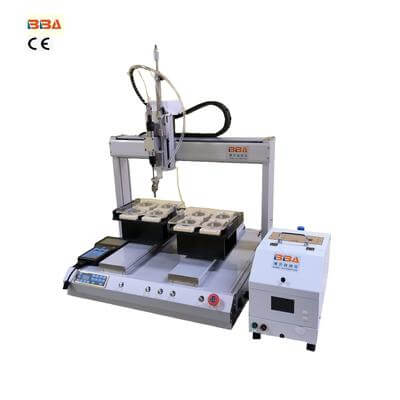
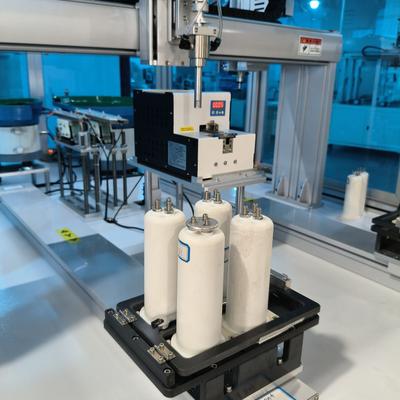
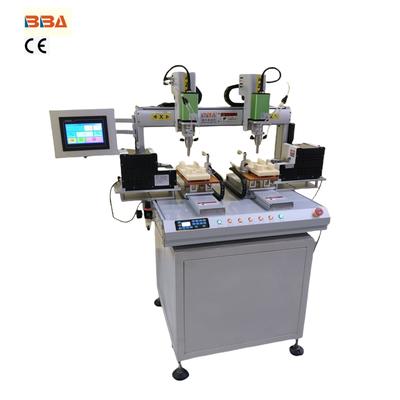
An automatic screw locking machine is a sophisticated piece of equipment designed to automatically feed, position, and drive screws into workpieces. Unlike manual screwdriving, which is labor-intensive and prone to errors, these machines consistently and accurately fasten screws at a high rate. They eliminate the need for manual handling of screws, optimizing speed and precision in the assembly process.
Key Benefits of Automatic Screw Locking Machines
- Increased Speed and Throughput: Automatic screw locking machines drastically increase the speed of screw fastening. They perform the task far faster than a human operator, leading to a significant boost in production throughput. This increased speed directly translates to shorter lead times and faster order fulfillment.
- Enhanced Accuracy and Consistency: These machines are programmed to deliver consistent torque and depth, ensuring screws are fastened correctly every time. This eliminates the risk of over-tightening or under-tightening, which can lead to product defects and field failures. Consistent screw fastening improves product quality and reduces rework.
- Reduced Labor Costs: By automating the screw fastening process, companies can significantly reduce their labor costs. Fewer operators are needed to perform the same amount of work, freeing up personnel for other tasks. The reduction in labor costs contributes to a lower overall cost of production.
- Improved Ergonomics and Safety: Manual screwdriving can be physically demanding and repetitive, leading to fatigue, strain, and potential injuries. Automating this process improves ergonomics and enhances worker safety by eliminating the need for repetitive hand movements and reducing the risk of musculoskeletal disorders.
- Minimized Material Waste: Automatic screw locking machines are designed to minimize screw wastage. The feeding and driving mechanisms are highly precise, ensuring that screws are not dropped or misplaced. Reduced material waste translates to cost savings and a more sustainable manufacturing process.
- Greater Flexibility and Adaptability: Many automatic screw locking machines can be easily adapted to handle different screw sizes, types, and materials. They can also be integrated with other automation systems, providing greater flexibility and adaptability in the assembly line. This flexibility allows manufacturers to quickly respond to changing market demands and product designs.
Applications Across Industries
Automatic screw locking machines are used across a wide range of industries, including:
- Electronics Manufacturing: Assembling components in smartphones, tablets, computers, and other electronic devices
- Automotive Industry: Fastening parts in vehicles, such as interior trim, dashboards, and engine components
- Appliance Manufacturing: Assembling household appliances like refrigerators, washing machines, and ovens
- Medical Device Manufacturing: Assembling medical equipment and instruments with high precision and reliability
- Toy Manufacturing: Securing parts in toys efficiently and safely
Choosing the Right Automatic Screw Locking Machine
Selecting the right automatic screw locking machine is crucial for maximizing assembly line efficiency. Factors to consider include:
- Screw Size and Type: Ensure the machine can handle the range of screws used in your assembly process.
- Throughput Requirements: Select a machine with a speed that meets your production volume needs.
- Accuracy and Torque Control: Choose a machine with precise torque control to ensure consistent screw fastening.
- Integration Capabilities: Consider how the machine will integrate with your existing automation systems.
- Footprint and Space Requirements: Ensure the machine fits within your available workspace.
Conclusion
Investing in an automatic screw locking machine can significantly improve assembly line efficiency, reduce costs, and enhance product quality. By automating the screw fastening process, manufacturers can achieve higher throughput, greater accuracy, and a safer work environment. As industries continue to embrace automation, automatic screw locking machines will play an increasingly important role in optimizing manufacturing processes and driving business success.