Automatic Screw Locking Machine: Key Features & Buying Guide
Key Features to Look for in an Automatic Screw Locking Machine
Investing in an automatic screw locking machine can significantly enhance production efficiency, reduce labor costs, and improve product consistency. However, with various models available on the market, selecting the right machine requires careful consideration of several critical features. This article outlines the key factors to evaluate when choosing an automatic screw locking system for your manufacturing operations.
1. High Precision Torque Control
One of the most vital features is precise torque control. Consistent and accurate torque application ensures that each screw is tightened to the exact specification required by your product design. Look for a machine equipped with a high-quality servo motor and feedback system that allows for real-time torque monitoring and adjustment. This minimizes the risk of under-tightening or over-tightening, which can lead to product failure or damage.
2. Versatility and Flexibility
A versatile machine can handle a wide range of screw sizes, types, and materials without requiring extensive changeover time. Key aspects to consider include adjustable spindle height, easy-to-change bit holders, and programmable settings for different screw parameters. Flexibility in accommodating various product designs and production batches is crucial for adapting to future manufacturing needs.
3. User-Friendly Programming Interface
The ease of programming and operation directly impacts productivity and reduces training time. An intuitive touchscreen interface with clear menu navigation allows operators to quickly set up and modify locking parameters. Features such as recipe storage, which saves settings for different products, can drastically reduce setup time between production runs.
4. Robust Reliability and Durability
Industrial environments demand equipment that can withstand continuous operation. Choose a machine built with high-quality components, such as hardened steel parts and durable actuators. Reliability is further enhanced by features like automatic error detection and diagnostic systems that alert operators to potential issues, such as screw jamming or feeder problems, minimizing unplanned downtime.
5. Integrated Screw Feeding System
An efficient and reliable screw feeding mechanism is essential for smooth operation. The system should consistently deliver screws to the locking head without misfeeds or jams. Look for features such as vibratory or pneumatic bowl feeders with anti-jam technology, and consider a machine that offers options for handling different screw head types and sizes seamlessly.
6. High-Speed Operation
To maximize throughput, the machine should perform locking cycles at high speed. The combination of fast screw picking, positioning, and driving cycles ensures that production targets are met efficiently. However, speed should not compromise accuracy; the ideal machine balances both to maintain high-quality output.
7. Comprehensive Safety Features
Safety is paramount in any industrial setting. Ensure the machine includes safeguards such as emergency stop buttons, protective guarding, and sensors that halt operation if an operator intervenes or an anomaly is detected. These features protect both personnel and equipment from accidents.
8. Data Tracking and Connectivity
Modern automation often requires connectivity with broader production systems. Features like USB data export, Ethernet connectivity, or IoT capabilities allow for detailed tracking of production metrics, such as number of screws locked, torque values, and error rates. This data is invaluable for quality control, traceability, and process optimization.
Selecting the right automatic screw locking machine is a strategic decision that influences your production quality and efficiency for years to come. By prioritizing these key features—precision, versatility, ease of use, reliability, feeding efficiency, speed, safety, and connectivity—you can invest in a system that not only meets your current needs but also scales with your future growth. Always request a demonstration with your specific screws and products to ensure the machine performs as expected in your real-world application.
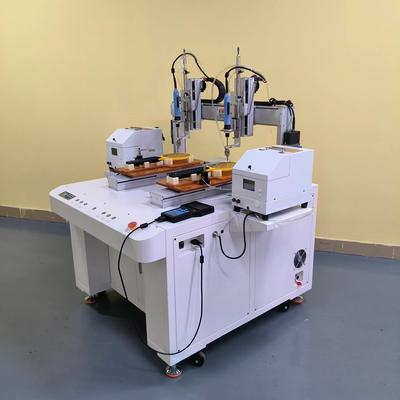
| Product Name | Applicable industries |
| Servo Screwdriver Robot | Smartphone Manufacturing |