Automatic Screw Locking Machines: Boost Assembly Line Efficiency
How an Automatic Screw Locking Machine Improves Assembly Line Efficiency
In today's competitive manufacturing landscape, efficiency is paramount. Companies are constantly seeking ways to streamline their processes, reduce costs, and improve output. One area that often presents a bottleneck is the screw fastening process. Traditionally, this task is performed manually, which can be slow, inconsistent, and prone to errors. An automatic screw locking machine offers a revolutionary solution to these challenges, significantly boosting assembly line efficiency.
The Inefficiencies of Manual Screw Fastening
Manual screw fastening, while seemingly straightforward, is riddled with inefficiencies. Firstly, it's inherently time-consuming. Each screw requires individual handling, alignment, and driving, which adds up significantly over high-volume production runs. The process is also labor-intensive, requiring dedicated personnel for this repetitive task. This not only increases labor costs but also ties up valuable human resources that could be better utilized in more complex and strategic roles.
Furthermore, manual screw fastening is susceptible to inconsistencies and errors. Fatigue, distractions, and variations in individual technique can lead to incorrectly tightened screws, stripped threads, and misaligned components. These errors can result in product defects, rework, and ultimately, customer dissatisfaction. Maintaining consistent quality across the entire production line becomes a significant challenge.
The ergonomic impact of manual screw fastening should also not be ignored. The repetitive motions involved increase the risk of repetitive strain injuries (RSIs), such as carpal tunnel syndrome. This can lead to decreased worker morale, increased absenteeism, and potential worker's compensation claims.
The Advantages of Automation with Screw Locking Machines
Automatic screw locking machines address these inefficiencies head-on, offering a multitude of benefits for assembly line efficiency.
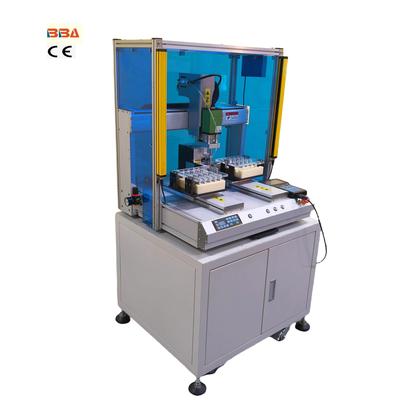
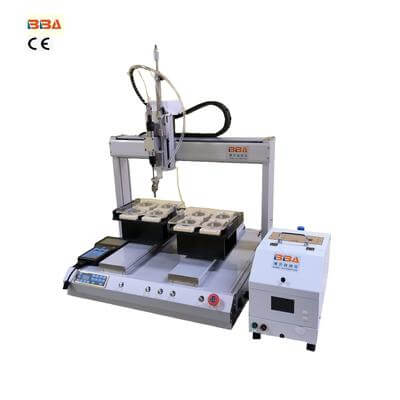
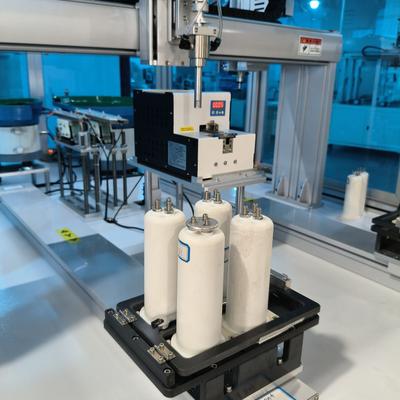
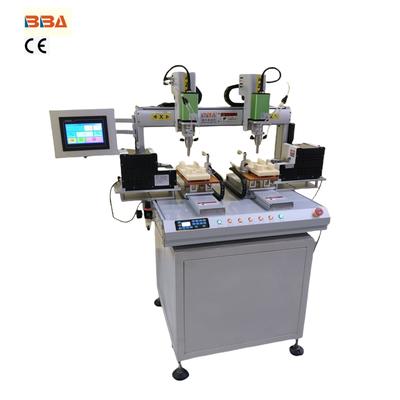
- Increased Speed and Throughput: Automatic screw feeders dramatically accelerate the screw fastening process. They automatically feed, position, and drive screws with speed and precision, significantly reducing cycle times and boosting overall throughput.
- Improved Accuracy and Consistency: These machines are programmed to deliver consistent torque and depth, ensuring each screw is fastened correctly. This eliminates variability and reduces the risk of defects and rework, leading to higher quality products.
- Reduced Labor Costs: By automating the screw fastening process, fewer operators are needed to perform the task. This frees up valuable human resources to focus on other critical areas of the production line.
- Enhanced Ergonomics: Automatic screw locking machines eliminate the repetitive motions associated with manual fastening, reducing the risk of RSIs and improving worker safety and well-being.
- Data Collection and Analysis: Many automatic screw locking machines are equipped with data logging capabilities. This allows manufacturers to track screw fastening performance, identify potential issues, and optimize the process for even greater efficiency.
- Flexibility and Adaptability: Modern screw locking machines can be easily programmed and adjusted to accommodate different screw sizes, types, and configurations. This makes them ideal for manufacturers producing a variety of products.
Choosing the Right Automatic Screw Locking Machine
When selecting an automatic screw locking machine, several factors should be considered. These include the types and sizes of screws being used, the volume of production, the required accuracy, and the space available in the assembly line. It's also important to choose a machine that is reliable, easy to maintain, and backed by excellent technical support.
Investing in an automatic screw locking machine is a strategic decision that can significantly enhance assembly line efficiency, improve product quality, and reduce costs. By automating this critical process, manufacturers can gain a competitive edge in today's demanding market.