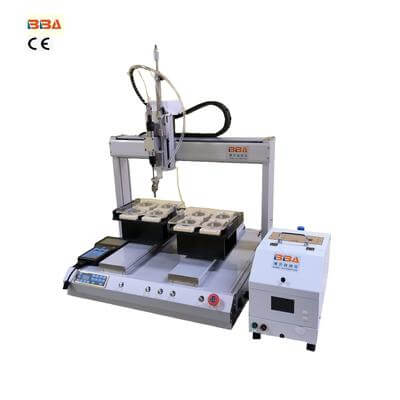
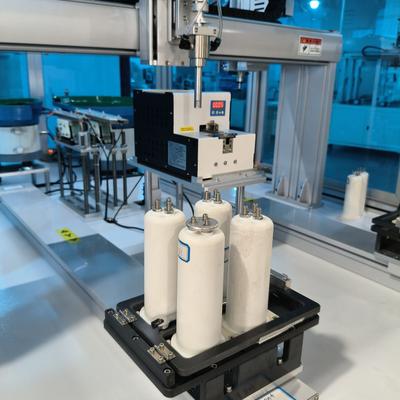
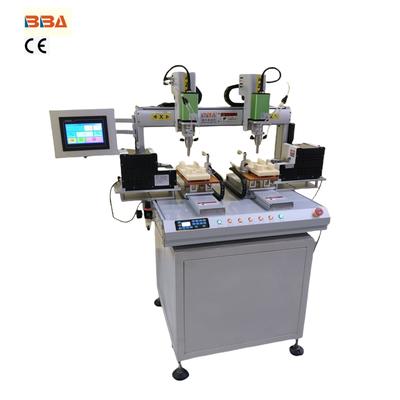
Automated Screw Locking Robots for Electronics Manufacturing | Precision Assembly
Screw Locking Robots in Electronics Manufacturing
The electronics manufacturing industry is characterized by its relentless pursuit of precision, speed, and reliability. As devices become smaller and more complex, the margin for error in assembly shrinks to near-zero. One of the most critical, yet historically challenging, steps in this process is screw fastening. This is where advanced screw locking robots are revolutionizing production lines, moving the industry from manual dexterity to automated perfection.
The Critical Role of Screw Fastening
In the assembly of everything from smartphones and laptops to life-saving medical devices and automotive control units, screws provide the fundamental structural integrity. A single loose or over-torqued screw can lead to a myriad of failures: from intermittent connectivity and overheating to complete product malfunction. Traditional manual screw driving is inherently variable, susceptible to human fatigue, and difficult to document for quality assurance purposes. Automated screw locking solutions eliminate this variability, ensuring every fastener is placed with consistent accuracy.
How Screw Locking Robots Elevate Production
Modern screw locking robots are highly sophisticated systems integrated seamlessly into automated assembly lines. They are typically equipped with vision systems, precision torque controllers, and sophisticated software. Here’s how they transform the manufacturing process:
- Unmatched Precision and Consistency: Robots equipped with high-resolution cameras and sensors can identify target holes with micron-level accuracy, aligning the driver bit perfectly every time. They apply a pre-programmed torque with absolute consistency, eliminating both under-tightening and over-tightening.
- Significant Increases in Throughput: Automation operates at a constant, high speed without breaks. A single robot can often outperform multiple human operators, dramatically accelerating the production cycle and increasing overall output.
- Enhanced Quality Control and Traceability: Every screw tightened by a robot is a data point. The system records the torque applied, angle of rotation, and confirms successful placement for every single fastener. This creates a complete digital thread for full traceability, simplifying root cause analysis and compliance reporting.
- Reduction in Operational Costs: While the initial investment is significant, the long-term return is substantial. Companies see a drastic reduction in errors, product recalls, and rework. Furthermore, automation frees highly skilled technicians from repetitive tasks to focus on more value-added engineering and oversight roles.
Integration and the Smart Factory
The true power of screw locking robots is realized when they are integrated into a larger Industry 4.0 ecosystem. They can communicate in real-time with other machinery, such as pick-and-place robots, conveyor systems, and central Manufacturing Execution Systems (MES). This allows for:
- Dynamic adjustments to assembly instructions based on the specific product model moving down the line.
- Immediate alerts and line stoppages if a fault is detected, preventing the production of defective units.
- Continuous data collection for predictive maintenance, ensuring the equipment itself operates at peak efficiency.
The Future is Automated
The adoption of automated screw locking technology is no longer a luxury for high-volume electronics manufacturers; it is a necessity for remaining competitive. It provides the foundational quality and reliability that modern electronics demand. As robotics become more agile, intelligent, and affordable, their application will expand further, ensuring that the tiny components holding our world together are secured with impeccable precision.
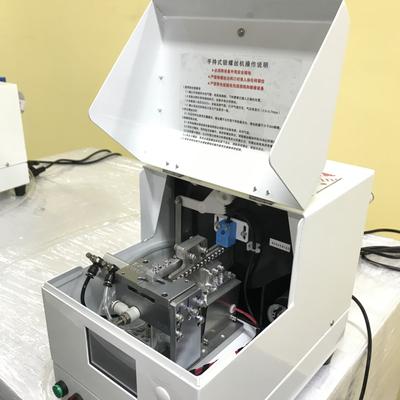
| Product Name | Applicable industries |
| Smart Screw Driving Machine | Telecommunication Equipment Assembly |