Modular Multi-Axis Screw Driver Systems | Industrial Automation Solutions
| Product Name | Applicable industries |
| Smart Screw Driving Machine | Consumer Electronics Assembly |
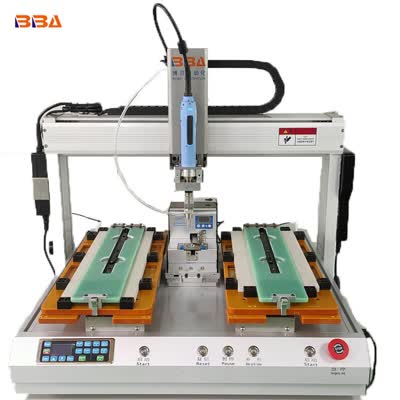
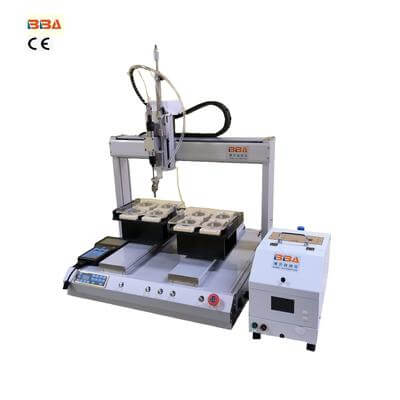
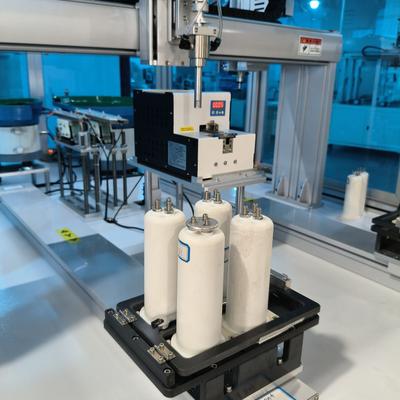
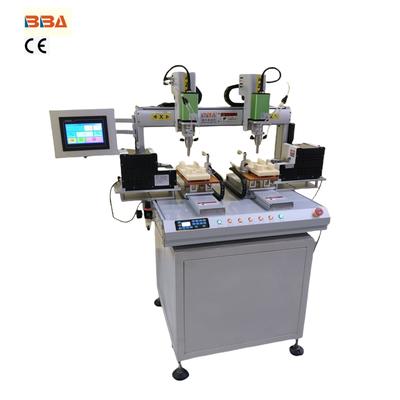
The evolution of industrial automation has consistently focused on enhancing precision, efficiency, and adaptability in manufacturing processes. One innovation driving this transformation is the integration of modular components in multi-axis screw driver systems. These systems are redefining assembly line operations by offering unparalleled flexibility and scalability, making them indispensable in modern industrial settings.
What Are Multi-Axis Screw Driver Systems?
A multi-axis screw driver system is a programmable automation tool designed to perform fastening tasks across multiple axes (X, Y, Z, and rotational). Unlike traditional single-axis tools, these systems can handle complex assembly sequences with minimal manual intervention. The inclusion of modular components—such as interchangeable torque sensors, ergonomic grips, and adaptive drive units—enables these systems to adapt to diverse production requirements swiftly.
Key Advantages of Modular Design
- Rapid Reconfiguration: Modular components allow operators to swap parts in seconds, reducing downtime during product changeovers. For example, switching from a high-torque application to a precision micro-fastening task requires only a module replacement, not an entire tool overhaul.
- Cost Efficiency: Instead of investing in multiple specialized tools, manufacturers can use a single multi-axis system with modular add-ons, lowering capital expenditure and maintenance costs.
- Scalability: As production demands grow, additional modules can be integrated to expand functionality without disrupting existing workflows.
Applications Across Industries
The versatility of modular multi-axis screw drivers makes them ideal for industries requiring high precision and repeatability. In electronics manufacturing, they ensure delicate components are fastened without damage. Automotive assembly lines leverage their multi-axis capabilities to handle complex geometries in engine or interior assemblies. Meanwhile, medical device production benefits from their ability to maintain sterile conditions through sealed modular units.
Future Trends: Smart Integration
Emerging technologies like IoT and AI are further enhancing these systems. Sensors embedded in modular components can now monitor torque accuracy in real-time, predict maintenance needs, and auto-adjust parameters based on material properties. This shift toward smart modularity ensures multi-axis screw drivers remain at the forefront of industrial automation.
By combining modular flexibility with multi-axis precision, these systems are not just streamlining assembly processes—they are paving the way for a more agile and sustainable manufacturing future. As industries continue to prioritize adaptability, the role of modular components in automation will only grow more critical.