Prevent Cross Threading in Automated Feeding Systems | Industrial Solutions
| Product Name | Applicable industries |
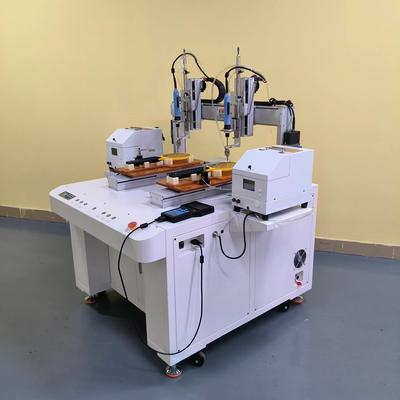
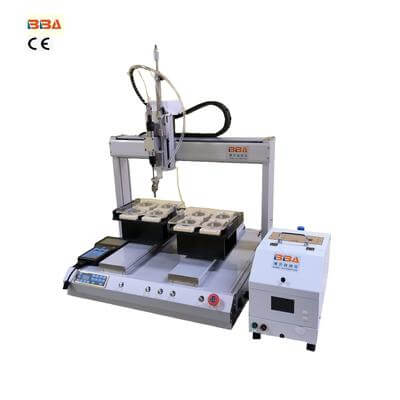
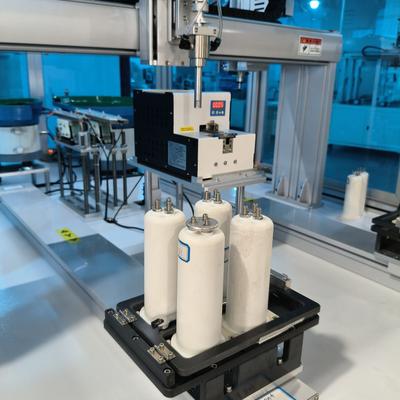
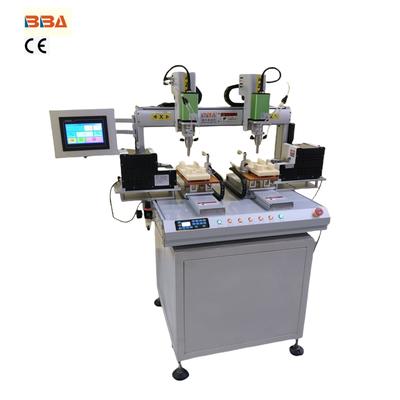
| Inline Screw Locking System | LED Lighting Industry |
Preventing Cross Threading in Automated Feeding
In the world of industrial automation, precision and reliability are non-negotiable. One of the most persistent and costly issues in automated assembly and feeding processes is cross threading. This occurs when threaded fasteners, such as screws or bolts, are misaligned during the feeding and driving phase, leading to diagonal or skewed engagement. The consequences range from minor production delays to severe equipment damage and product failure. For manufacturers, preventing cross threading is essential to maintaining high throughput, minimizing waste, and ensuring consistent product quality.
Understanding the Root Causes
Cross threading typically arises from misalignment between the fastener and the target tap or nut. In automated systems, this misalignment can be caused by several factors. Vibrations or slight deviations in the feeding mechanism may cause fasteners to shift from their intended path. Additionally, inconsistencies in fastener dimensions, wear in feeding components, or even slight variations in the presentation of parts to the robot can contribute to the problem. Without precise control, the automated driver may apply force at an incorrect angle, initiating a cross thread that can gall the threads, strip the material, or break the fastener.
Advanced Feeding Systems for Precision Alignment
Modern automated feeding systems integrate several technologies to eliminate misalignment. High-precision vibratory bowls, escapements, and linear tracks are designed to orient and present fasteners with exceptional accuracy. However, the key to prevention often lies in the integration of vision systems and real-time feedback sensors. These systems actively monitor the position and orientation of each fastener just before the driving process. If a misalignment is detected, the process can be paused or corrected automatically, preventing an error from propagating down the line.
The Role of Smart Tooling and Adaptive Control
Beyond the feeder itself, the design of the driving tool plays a critical role. Anti-cross-threading driver heads, often featuring flexible or floating designs, allow for a small degree of self-alignment. These tools can compensate for micro-level deviations, ensuring the screwdriver bit seats perfectly into the fastener head and approaches the target hole straight on. Furthermore, servo-driven screwdrivers with adaptive torque and angle control can detect the abnormal resistance characteristic of cross threading. Upon sensing such an event, the tool can reverse operation, alert the system, and trigger a corrective action, safeguarding both the product and the equipment.
Implementing a Holistic Prevention Strategy
Successfully preventing cross threading requires a holistic approach that considers the entire automated system. This includes:
- Regular Maintenance: Scheduled inspection and maintenance of feeding tracks, bowls, and nozzles to prevent wear-induced misalignment.
- Quality Control of Fasteners: Using consistently high-quality fasteners with minimal dimensional variation to ensure reliable feeding.
- System Calibration: Frequent calibration of robots, feeders, and vision systems to maintain absolute accuracy over time.
- Process Monitoring: Implementing comprehensive data collection to track error rates and identify patterns that may indicate an emerging problem.
By addressing the issue from multiple angles, manufacturers can create a robust defense against cross threading, enhancing overall equipment effectiveness (OEE) and product reliability.
Conclusion: Investing in Reliability
In automated manufacturing, the cost of downtime and rework due to cross threading can be substantial. Investing in advanced feeding technology, intelligent tooling, and a proactive maintenance strategy is not merely an operational expense but a crucial investment in production reliability and long-term profitability. By prioritizing precision alignment and real-time error detection, manufacturers can achieve smoother, uninterrupted production flows and deliver products that meet the highest standards of quality.