Fully Automatic Screw Assembly Machine Components | Industrial Automation
| Product Name | Applicable industries |
| CNC Screw Fastener | Smartphone Manufacturing |
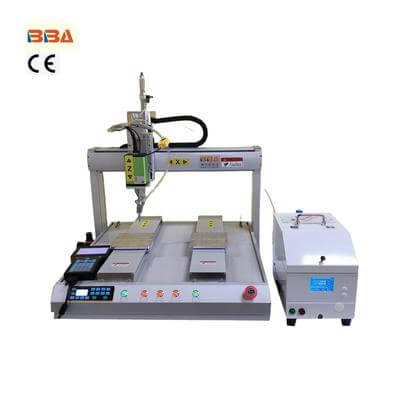
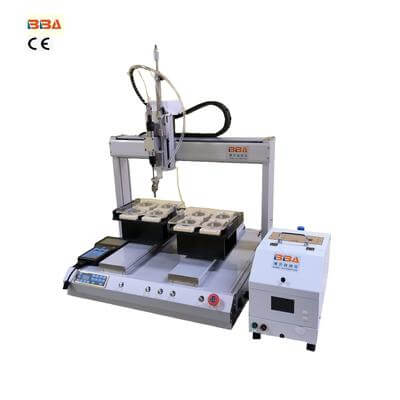
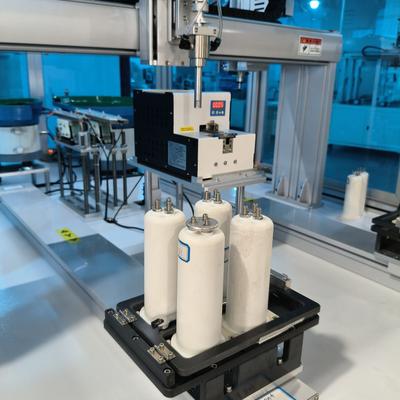
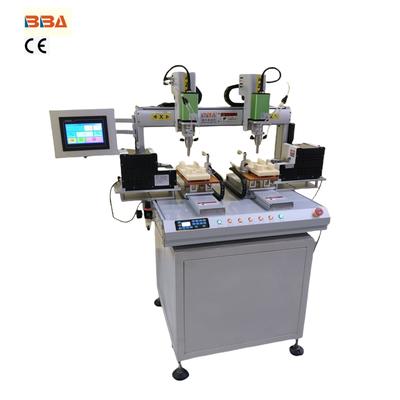
A fully automatic screw assembly machine is a cornerstone of modern manufacturing, enabling high-speed, precise, and reliable fastening operations across various industries. These systems are designed to handle everything from small consumer electronics to large automotive components with exceptional accuracy and repeatability. Understanding the key components of such a machine is essential for appreciating how it enhances productivity, reduces human error, and ensures consistent product quality.
At the heart of the system is the screw feeder. This component is responsible for storing, sorting, and orienting screws before they are delivered to the driving tool. Using vibrations or centrifugal force, the feeder aligns each screw correctly and transports it through a rail or tube to the next stage. The efficiency of the screw feeder directly impacts the machine’s overall speed and reliability, making it a critical part of the assembly process.
The screwdriver unit is another vital element. It typically includes an electric, pneumatic, or servo-driven driver that tightens the screws to a predefined torque. Modern units are equipped with sensors and controllers to monitor torque and angle in real time, ensuring each screw is fastened according to specifications. This helps prevent defects such as cross-threading, over-tightening, or under-tightening, which could compromise product integrity.
A positioning system is used to move the screwdriver accurately over the workpiece. This may involve multi-axis robotic arms, linear actuators, or gantry systems, depending on the application. The positioning system works in tandem with vision systems or sensors to locate the exact fastening points, even when dealing with complex or irregular parts. This ensures precise screw placement and minimizes the risk of errors.
The control system acts as the brain of the machine. Usually powered by a PLC (Programmable Logic Controller) or industrial PC, it coordinates all components, manages motion sequences, and monitors process parameters. Operators can use the control interface to set programs, adjust torque values, and track production data. Advanced systems also offer connectivity for integration into broader Industry 4.0 networks, enabling real-time analytics and predictive maintenance.
Additionally, sensing and inspection systems play a crucial role in maintaining quality. Vision cameras, proximity sensors, and force feedback devices help detect missing screws, misaligned parts, or other anomalies. If an error is identified, the machine can halt operations and alert operators, reducing waste and ensuring only compliant products move down the line.
Finally, the frame and structure provide the necessary rigidity and stability for high-precision tasks. Built from materials like aluminum or steel, the frame minimizes vibrations and maintains alignment during operation. The design often includes safety enclosures and interlocks to protect operators and meet industry safety standards.
In summary, a fully automatic screw assembly machine integrates multiple sophisticated components—ranging from feeders and drivers to controls and sensors—to deliver fast, accurate, and reliable fastening solutions. By automating repetitive tasks, these systems help manufacturers increase throughput, improve product consistency, and reduce operational costs. As technology advances, we can expect even smarter, more adaptive screw assembly systems to emerge, further transforming industrial automation.