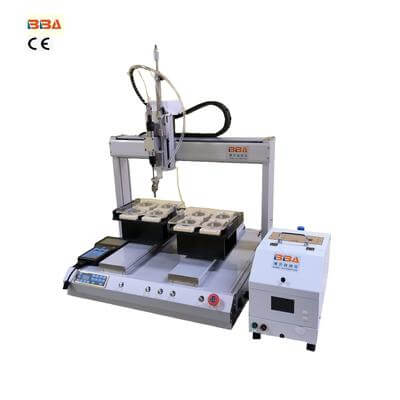
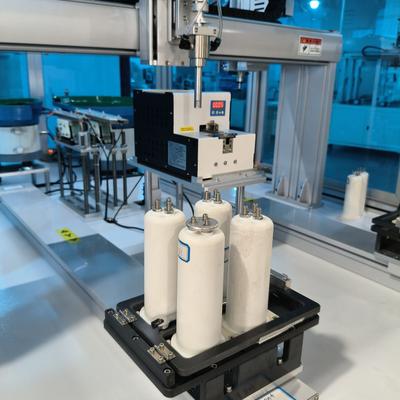
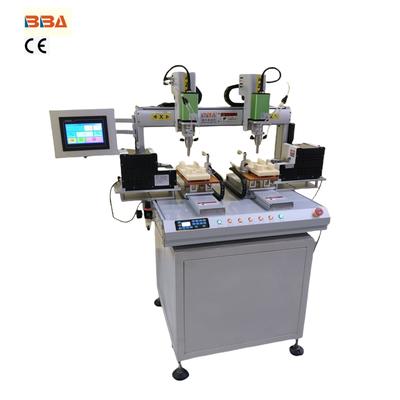
Desktop Screwdriver Robot Cost Analysis | Automation in Toy Manufacturing
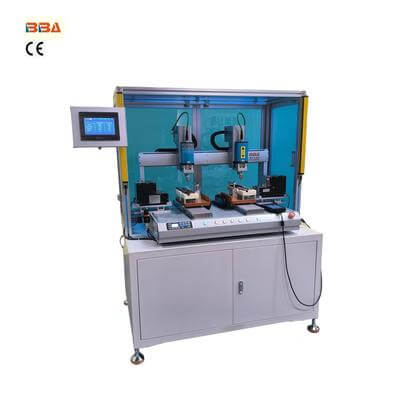
| Product Name | Applicable industries |
| Desktop Screwdriver Robot | Toy and Game Console Production |
The adoption of robotic screw driving equipment has revolutionized manufacturing processes, offering precision and efficiency in assembly tasks. However, the cost of these systems varies significantly based on multiple factors. Understanding these variables helps businesses make informed decisions when investing in automation.
One primary cost driver is the technical complexity of the equipment. Systems with advanced features such as torque control, vision-guided alignment, or multi-axis motion capabilities require sophisticated hardware and software, increasing upfront costs. High-precision sensors and servo motors, for example, add to the price but ensure consistent performance in delicate applications like electronics assembly.
Another critical factor is scalability and customization. Off-the-shelf solutions may appear cost-effective initially but often lack flexibility for unique production requirements. Custom-engineered systems tailored to specific workflows or product designs involve additional engineering hours and testing, impacting the total investment. Modular systems that allow future upgrades can balance initial costs with long-term adaptability.
The operational environment also influences pricing. Equipment designed for harsh conditions—such as high temperatures, dust, or explosive atmospheres—requires specialized materials, protective coatings, and certifications. These enhancements ensure durability but contribute to higher manufacturing expenses compared to standard industrial models.
Integration complexity plays a substantial role in overall costs. Systems requiring compatibility with existing machinery, proprietary software interfaces, or IoT-enabled monitoring tools demand additional programming and calibration. Seamless integration minimizes downtime but may involve third-party collaboration or specialized technicians, adding to implementation expenses.
Maintenance and lifecycle costs are often overlooked during budgeting. High-quality components with extended warranties reduce long-term repair needs but increase initial purchase prices. Conversely, cheaper systems may incur frequent maintenance costs or require premature replacement. Energy efficiency is another consideration, as systems with optimized power consumption lower operational expenses over time.
Finally, regulatory compliance and safety certifications affect pricing. Equipment meeting international standards like ISO or CE requires rigorous testing and documentation, which manufacturers factor into pricing. Safety features such as emergency stop mechanisms or collision detection systems add value but also contribute to development costs.
By evaluating these factors—technical specifications, customization needs, environmental resilience, integration requirements, lifecycle costs, and compliance—businesses can strategically allocate resources for robotic screw driving systems that align with their operational goals and budget constraints.