Desktop Screw Fastening Machine | Automated Screwdriver Systems
| Product Name | Applicable industries |
| Automatic Screw Feeder | Toy and Game Console Production |
Introduction to Desktop Screw Fastening Machines
In the realm of industrial automation, precision, efficiency, and reliability are paramount. One of the key components driving these qualities on assembly lines is the desktop screw fastening machine. These compact, powerful systems are engineered to automate the critical task of screw driving, a process traditionally prone to errors and inconsistencies when performed manually. By integrating these machines into production workflows, manufacturers can achieve significant improvements in product quality, throughput, and operational cost.
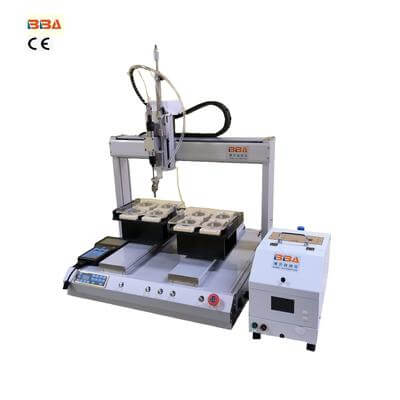
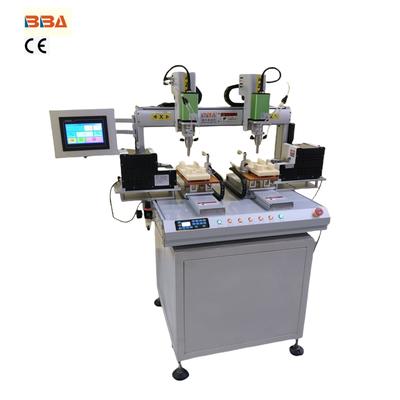
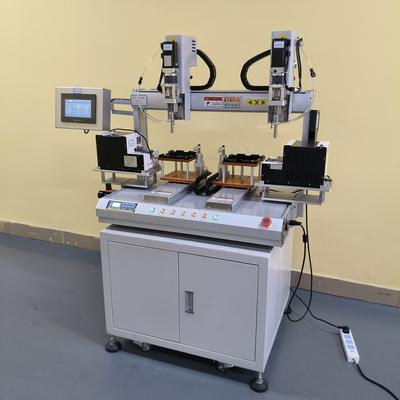
Desktop screw fastening machines are benchtop units designed for high-speed, automated screw insertion and tightening. They are typically employed in the assembly of small to medium-sized products such as consumer electronics, medical devices, precision instruments, and small appliances. Their compact footprint allows them to be easily integrated into existing workstations or production cells without requiring extensive floor space.
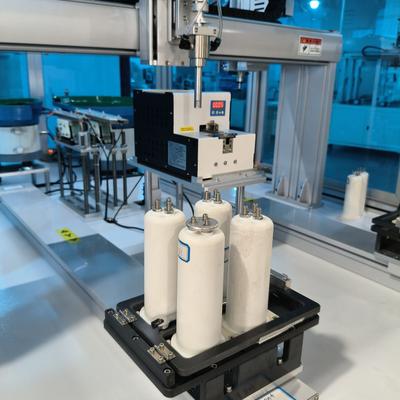
The core functionality of these machines revolves around several key components working in harmony. An automatic screw feeder, often a vibratory bowl or a cartridge-based system, orients and delivers screws one-by-one to a precision-engineered driver bit. A high-torque electric screwdriver, controlled by a sophisticated programmable logic controller (PLC), then picks up the screw, inserts it into the pre-defined target, and tightens it to a specified torque with exceptional accuracy. Advanced models are equipped with vision systems or sensors to verify screw presence, detect cross-threading, and ensure the screw is driven to the correct depth and torque, providing a complete quality assurance check in real-time.
The advantages of implementing desktop screw fastening machines are substantial and multifaceted:
- Unmatched Consistency: Every screw is driven with identical torque and depth, eliminating human error and variability. This ensures a uniform product quality and reduces the risk of product failure due to loose or over-tightened screws.
- Dramatically Increased Productivity: Automation allows for screw driving speeds that far exceed manual capabilities. These machines can operate continuously without fatigue, drastically boosting output and shortening cycle times.
- Enhanced Worker Safety and Ergonomics: By automating a repetitive and potentially straining task, these machines reduce the risk of repetitive strain injuries (RSIs) among operators, allowing them to be reassigned to more value-added and less monotonous roles.
- Comprehensive Data Tracking: Modern machines offer data logging capabilities, recording torque curves and process results for each screw. This creates a traceable audit trail for quality control purposes and is essential for industries with strict compliance requirements.
- Reduced Operational Costs: While representing an initial investment, these machines lead to long-term savings through lower labor costs, decreased scrap and rework due to assembly errors, and minimized downtime.
When selecting a desktop screw fastening machine, several factors must be considered to ensure optimal performance. These include the size and type of screws being used, the required torque range, the desired cycle time, and the level of integration needed with other automation equipment. Furthermore, the availability of user-friendly programming interfaces and robust technical support are crucial for smooth operation and maintenance.
In conclusion, desktop screw fastening machines represent a critical technological advancement in automated assembly. They provide a scalable solution for manufacturers seeking to enhance precision, increase efficiency, and maintain a competitive edge in today's demanding market. By ensuring every screw is perfectly placed every single time, these machines form the reliable backbone of modern, high-quality production processes.