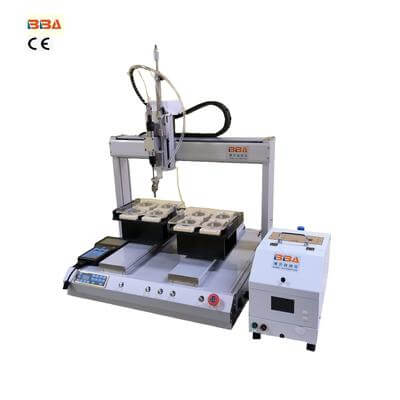
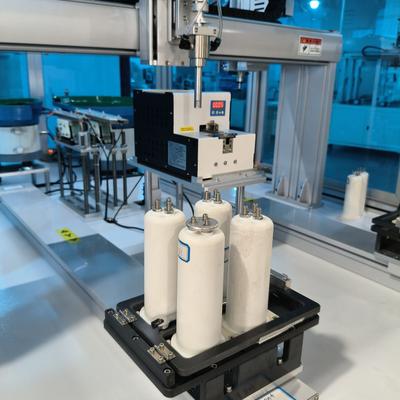
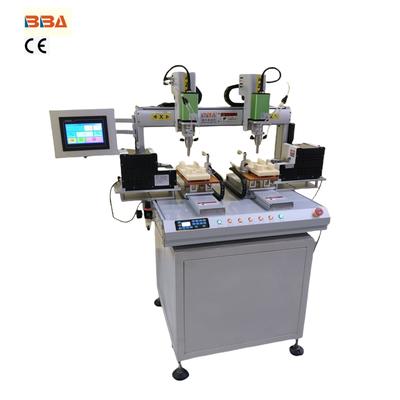
In the fast-paced world of manufacturing, precision and speed are non-negotiable. One of the most critical yet often overlooked components in assembly line operations is the fastening process. Traditional manual screw locking methods, while functional, are prone to inconsistency, human error, and inefficiency that can ripple through the entire production chain. Enter the automatic screw locking machine—a game-changing innovation designed to streamline workflows, enhance product quality, and redefine what's possible in modern manufacturing.
At its core, an automatic screw locking machine automates the insertion and tightening of screws with unparalleled accuracy. Unlike manual labor, which relies on operators to align, drive, and torque each screw individually, these machines use advanced sensors, programmable logic controllers (PLCs), and precision actuators to perform tasks autonomously. This eliminates variability in screw placement, reduces the risk of cross-threading, and ensures every fastener meets exact torque specifications. The result? A dramatic reduction in defective products and rework costs, which directly translates to higher customer satisfaction and brand reliability.
Speed is another critical advantage. Manual screw driving is time-consuming, especially in high-volume production environments where thousands of units pass through the line daily. Automatic systems can operate continuously without fatigue, handling multiple screws per minute with consistent rhythm. Integrated feeding systems supply screws seamlessly, minimizing downtime between cycles. This acceleration not only boosts throughput but also allows manufacturers to meet tight deadlines and scale operations without compromising quality.
Labor optimization is a key benefit as well. By automating repetitive tasks, companies can redeploy human workers to roles that require problem-solving, quality control, or machine supervision. This shift not only improves job satisfaction but also reduces the physical strain associated with manual screw driving, such as repetitive motion injuries. Additionally, automatic machines reduce the need for extensive training—operators can manage multiple units with minimal instruction, lowering onboarding costs and operational complexity.
Modern automatic screw locking systems are also highly adaptable. They can be customized to handle screws of varying sizes, materials, and head types, making them suitable for industries ranging from electronics to automotive manufacturing. Advanced models feature vision systems that detect misaligned screws or missing components in real-time, triggering immediate corrections. This level of intelligence ensures that defects are caught early, preventing costly downstream bottlenecks.
Data integration further elevates their value. Many systems collect performance metrics such as torque curves, cycle times, and error rates, which can be analyzed to identify trends or areas for process improvement. This data-driven approach enables predictive maintenance, reducing unplanned downtime and extending equipment lifespan. Over time, manufacturers gain actionable insights to refine workflows, optimize resource allocation, and maintain a competitive edge.
The environmental impact of automation cannot be ignored. Automatic screw locking machines minimize material waste by ensuring screws are neither over-tightened (which can damage components) nor under-tightened (which may lead to product failure). Energy-efficient design and reduced scrap rates contribute to sustainable manufacturing practices, aligning with global efforts to lower carbon footprints.
In summary, the adoption of automatic screw locking technology represents a strategic investment in efficiency, quality, and scalability. By eliminating human error, accelerating production cycles, and enabling smarter resource management, these systems empower manufacturers to meet the demands of an increasingly competitive market. As industries continue to prioritize automation, the automatic screw locking machine stands out as a cornerstone of innovation—transforming assembly lines into high-performance engines of growth.