The Rise of Robotics in Assembly Line Manufacturing | Industrial Automation
The Rise of Robotics in Assembly Line Manufacturing
The landscape of modern manufacturing is undergoing a profound transformation, driven by the rapid integration of robotics into assembly line processes. This technological evolution is not merely a trend but a fundamental shift, redefining the very nature of production, efficiency, and competitiveness in the global market. The rise of robotics marks a new industrial era, one characterized by unprecedented precision, flexibility, and intelligence on the factory floor.
Unmatched Precision and Consistent Quality
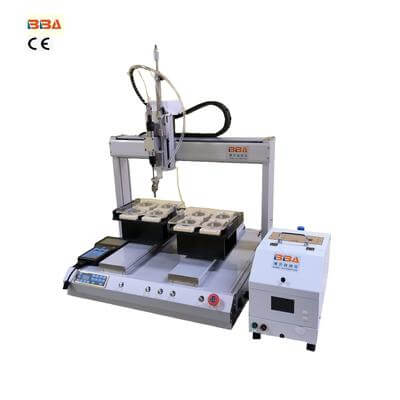
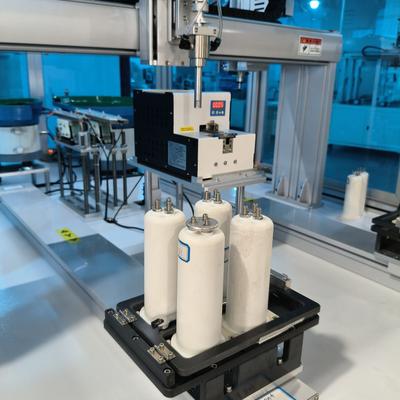
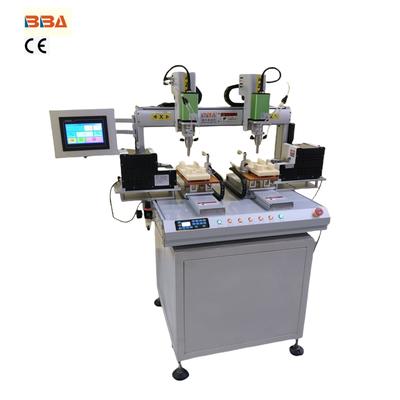
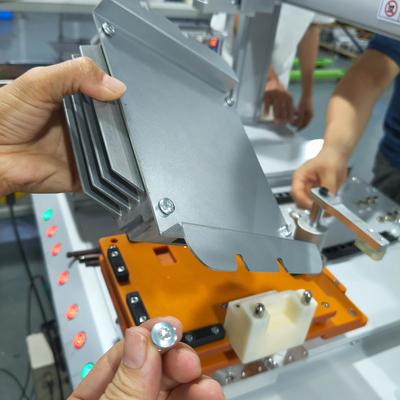
One of the most significant advantages robotic systems bring to assembly lines is their exceptional precision and consistency. Unlike human operators, who can experience fatigue and variations in performance, robots execute repetitive tasks with microscopic accuracy, hour after hour. This capability is critical in industries such as electronics and aerospace, where the slightest deviation can lead to product failure. By ensuring every component is placed, every screw is tightened, and every weld is performed to exact specifications, robotics dramatically reduces error rates and enhances overall product quality. This relentless consistency builds a foundation of reliability that is nearly impossible to achieve through manual labor alone.
Enhanced Productivity and Operational Efficiency
Robotic automation is a powerful engine for boosting productivity. These systems can operate continuously without breaks, significantly increasing throughput and accelerating time-to-market for products. Furthermore, robots often work at speeds far exceeding human capabilities, performing complex sequences of actions in a fraction of the time. This heightened efficiency allows manufacturing facilities to optimize their operations, do more with existing space, and meet rising consumer demands effectively. The data generated by robotic systems can also be analyzed to identify bottlenecks and further streamline the production process, creating a cycle of continuous improvement.
A New Era of Flexibility and Collaboration
Modern robotics technology has moved beyond the era of large, caged units performing a single rigid task. The advent of advanced collaborative robots, or cobots, has introduced a new level of flexibility to assembly lines. These robots are designed to work safely alongside human employees, taking over ergonomically challenging, tedious, or hazardous tasks. This collaboration allows companies to leverage the unique strengths of both humans and machines: the dexterity, problem-solving skills, and adaptability of people, combined with the strength, endurance, and precision of robots. This synergy enables easier customization of products and quicker reconfiguration of assembly lines to adapt to new designs or market changes.
Strengthening Safety and the Workforce
The integration of robotics significantly enhances workplace safety. By automating dangerous tasks—such as handling heavy materials, working with sharp components, or exposure to harmful substances—companies can protect their most valuable asset: their employees. This shift allows the workforce to transition towards more value-added roles that require critical thinking, programming, maintenance, and supervision of automated systems. Rather than replacing workers, robotics is creating new career paths and demanding a more skilled technical workforce, fostering an environment of innovation and growth within the manufacturing sector.
The Intelligent and Connected Future
The future of robotics in assembly is undoubtedly intelligent and interconnected. With advancements in artificial intelligence and machine learning, robots are becoming increasingly autonomous and capable of making real-time decisions. They can adapt to variations in their environment, perform self-diagnostics, and communicate seamlessly with other machines and enterprise software systems. This creates a smart, responsive, and highly efficient manufacturing ecosystem known as the smart factory. In this data-driven environment, every aspect of production can be monitored, analyzed, and optimized for peak performance.
In conclusion, the rise of robotics in assembly line manufacturing is a pivotal development that is setting new standards for industry. It represents a powerful convergence of mechanical engineering, software intelligence, and data analytics. As this technology continues to advance and become more accessible, its role will only expand, solidifying its position as the cornerstone of modern, efficient, and innovative manufacturing operations worldwide.
| Product Name | Applicable industries |
| Smart Screw Driving Machine | Smart Wearables Production |