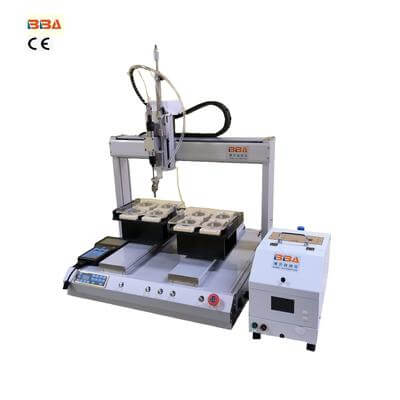
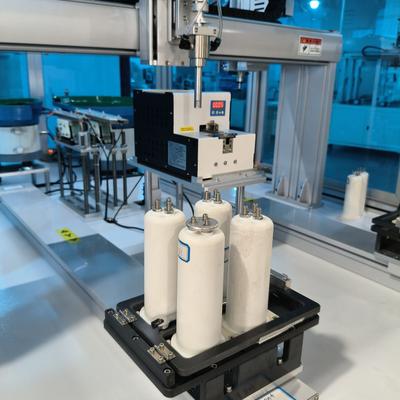
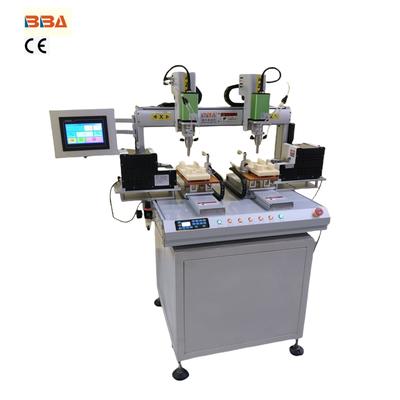
Automatic Screw Feeders Benefits | Manufacturing Efficiency & Quality
Benefits of Using Automatic Screw Feeders in Manufacturing
In the fast-paced world of industrial production, efficiency and precision are paramount. Manufacturers are constantly seeking innovative solutions to streamline operations, reduce costs, and enhance product quality. One such technological advancement that has revolutionized assembly lines is the automatic screw feeder. This sophisticated equipment automates the traditionally manual and tedious task of screw driving, offering a multitude of significant benefits that directly impact the bottom line.
1. Dramatic Increase in Production Efficiency
Manual screw driving is a time-consuming process that inherently limits the speed of an assembly line. An automatic screw feeder eliminates this bottleneck by delivering and driving screws at a consistent, high speed. These systems can place hundreds or even thousands of screws per hour with unwavering accuracy, far surpassing human capability. This remarkable increase in throughput allows manufacturers to meet demanding production schedules and scale their output efficiently, providing a clear competitive advantage in today's market.
2. Enhanced Consistency and Superior Product Quality
Human operators, despite their best efforts, are subject to fatigue, variation in technique, and simple human error. This can lead to inconsistent screw placement, incorrect torque, cross-threading, or even damaged components. Automatic screw feeders are programmed to apply the exact same amount of torque and drive each screw to a precise depth every single time. This unwavering consistency ensures every product is assembled to the same high standard, drastically reducing the number of defects and reworks. The result is a significant improvement in overall product quality and reliability, which strengthens brand reputation and customer satisfaction.
3. Substantial Reduction in Labor Costs and Operator Fatigue
By automating a repetitive and physically demanding task, automatic screw feeders free up valuable human resources for more complex, value-added activities such as quality control, machine oversight, and process optimization. This allows companies to achieve more with their existing workforce or reallocate personnel effectively. Furthermore, it significantly reduces operator strain and fatigue, which are common in manual screw driving roles. This leads to a safer, more ergonomic work environment, higher employee morale, and a reduction in work-related injuries and associated costs.
4. Improved Workspace Organization and Material Management
A manual assembly station often has loose screws scattered in bins or trays, leading to clutter, potential contamination, and loss of components. Automatic screw feeders utilize a closed system that neatly contains all fasteners. Screws are stored in a hopper and fed directly to the driver bit through a secure tube, eliminating mess and spillage. This organized approach not only creates a cleaner and safer workspace but also simplifies inventory control and reduces material waste, contributing to lean manufacturing initiatives.
5. Unmatched Flexibility and Scalability
Modern automatic screw feeding systems are highly adaptable. They can be configured to handle a vast range of screw types, sizes, and head styles simply by changing the feeder bowl, driver bit, and program settings. This makes them ideal for production lines that assemble multiple products. Furthermore, these systems are designed to integrate seamlessly into existing assembly lines, whether as benchtop units for smaller operations or as fully robotic cells for high-volume, fully automated production. This scalability ensures that the technology remains a valuable asset as a company grows and its production needs evolve.
In conclusion, the integration of automatic screw feeders into manufacturing processes is a strategic investment that delivers tangible returns. From skyrocketing productivity and ensuring flawless quality to lowering operational costs and fostering a better work environment, the advantages are clear and compelling. For any manufacturer looking to optimize their assembly operations and secure a stronger position in the industry, adopting this automation technology is a logical and highly beneficial step forward.
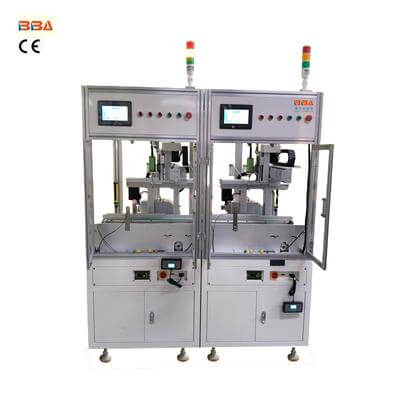
| Product Name | Applicable industries |
| Servo Screwdriver Robot | Drone and UAV Manufacturing |