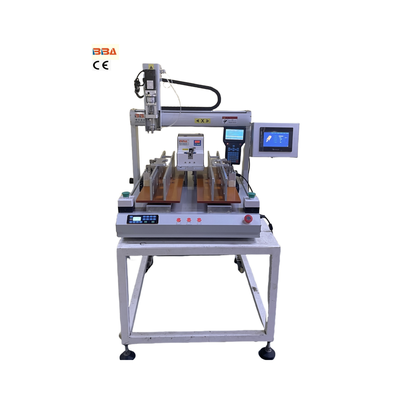
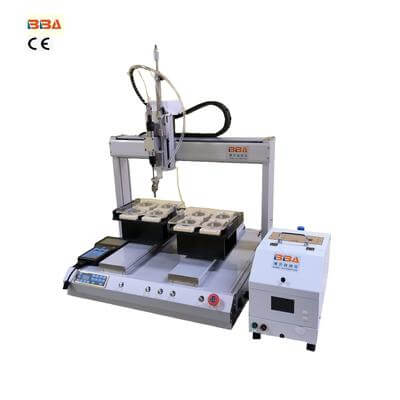
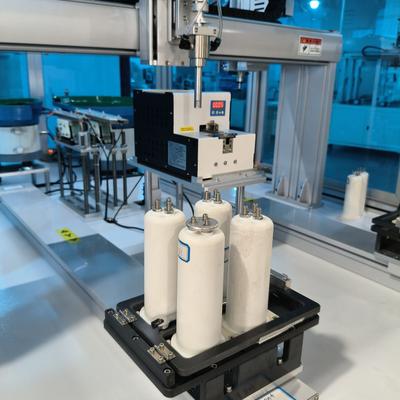
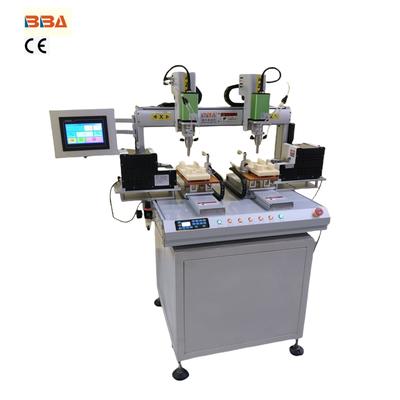
How to Import Screw Locking Machines from China: Complete Procurement Guide
Best Practices for Importing Screw Locking Machines from China
Importing screw locking machines from China offers cost-efficiency and access to advanced manufacturing technologies. However, navigating the process requires careful planning to ensure quality, compliance, and operational success. Below are key strategies to optimize your procurement process.
1. Conduct Thorough Market Research
Begin by analyzing your specific requirements, including torque capacity, automation level, and compatibility with existing systems. Research Chinese manufacturers through platforms like Alibaba, Made-in-China, and industry-specific trade directories. Compare technical specifications, read customer reviews, and attend virtual trade shows such as the Canton Fair to shortlist reliable suppliers.
2. Verify Supplier Credentials
Prioritize suppliers with ISO 9001 certification and a proven track record in industrial automation. Request references from previous international clients and verify their experience with export documentation. Use third-party inspection services like SGS or Bureau Veritas to audit facilities and validate production capabilities before finalizing contracts.
3. Negotiate Clear Technical Specifications
Develop a detailed technical agreement covering:
- Precision tolerances (±0.01mm typical for high-grade models)
- Cycle time requirements (e.g., ≤2 seconds for automotive applications)
- Material certifications (ISO 898-1 for fastener compatibility)
- IP ratings for dust/water resistance (IP54 minimum for factory environments)
4. Optimize Logistics Planning
Calculate total landed costs including:
FOB Price: $8,500 - $15,000 per unit
Sea Freight: $1,200 - $2,500 (20ft container)
Import Duty: 3.7% - 5.2% (HS Code 846789)
Lead Time: 35-50 days (production + shipping)
Use Incoterms 2020 (preferably CIP or DDP) to clarify risk allocation. Partner with freight forwarders experienced in handling industrial machinery to manage customs clearance and prevent port delays.
5. Implement Quality Control Protocols
Schedule inspections at three stages:
- Pre-production: Verify raw material certifications
- During assembly: Check torque calibration (±2% accuracy standard)
- Pre-shipment: Full functional test with sample fasteners
Require suppliers to provide calibration certificates traceable to NIST standards.
6. Plan for Long-Term Support
Negotiate warranty terms covering 12-24 months of operation. Ensure availability of spare parts like servo motors and torque sensors with guaranteed 72-hour shipping for critical components. Request English-language documentation including:
- CE/UKCA compliance certificates
- PLC programming manuals
- Preventive maintenance schedules
By implementing these practices, importers can achieve 15-30% cost savings compared to domestic procurement while maintaining quality standards. Regular supplier performance reviews and technology updates will ensure long-term competitiveness in fastening automation solutions.
| Product Name | Applicable industries |
| Auto Screwdriver Machine | Toy and Game Console Production |