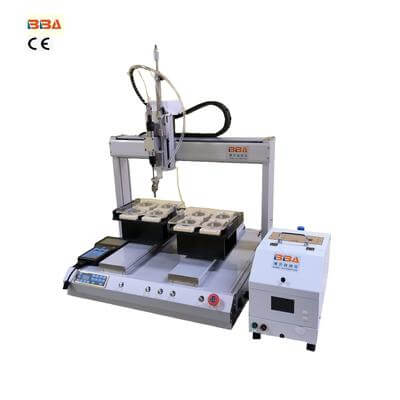
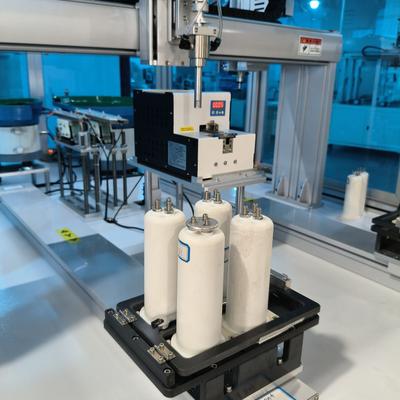
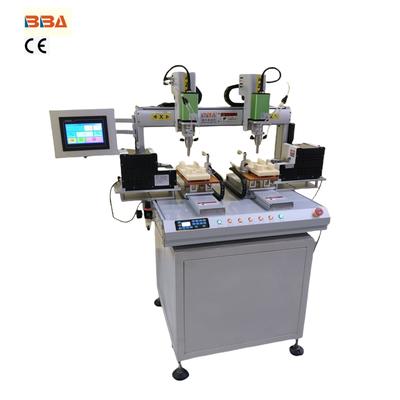
Desktop Screwdriver Robots | Precision Assembly Automation
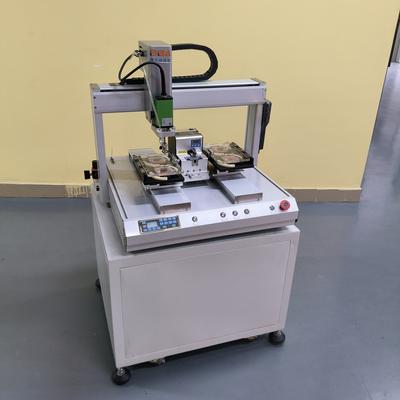
In the rapidly evolving world of industrial automation, the demand for precision, flexibility, and efficiency has never been higher. Among the latest innovations capturing the attention of manufacturers worldwide are desktop screwdriver robots. These compact, intelligent systems are redefining how small-scale assembly tasks are performed, offering a glimpse into the future of precision manufacturing.
Desktop screwdriver robots are designed to handle intricate assembly processes with exceptional accuracy and repeatability. Unlike traditional large-scale robotic systems, these devices are compact enough to fit on a workbench yet powerful enough to perform complex screwdriving operations. They are typically equipped with advanced vision systems, torque sensors, and programmable logic that allow them to adapt to various components and fastening requirements. This makes them ideal for industries such as electronics, medical devices, automotive components, and consumer goods, where precision is critical.
One of the key advantages of desktop screwdriver robots is their ability to improve product quality and consistency. Human operators can experience fatigue or variations in technique, leading to errors in torque application or misalignment. In contrast, these robots deliver the exact torque required every time, ensuring that each screw is fastened to specification. This reduces the risk of product failures, enhances reliability, and minimizes waste. Additionally, with their high-speed capabilities, they can significantly increase throughput, enabling faster production cycles without compromising on quality.
Another significant benefit is their flexibility and ease of integration. Modern desktop screwdriver robots are designed with user-friendly interfaces, allowing operators to quickly program and reprogram them for different tasks. This adaptability is crucial in today’s manufacturing environment, where product lifecycles are short, and customizations are frequent. Whether it’s handling multiple screw types, working with delicate materials, or integrating into existing production lines, these robots offer a scalable solution that grows with your needs.
Moreover, desktop screwdriver robots contribute to a safer working environment. By automating repetitive and potentially strenuous tasks, they reduce the physical strain on workers and minimize the risk of injuries associated with manual screwdriving. This not only promotes workplace safety but also allows human resources to be allocated to more value-added activities, such as quality control and process optimization.
As technology continues to advance, we can expect desktop screwdriver robots to become even more intelligent and autonomous. Features such as artificial intelligence, machine learning, and IoT connectivity are already being integrated, enabling predictive maintenance, real-time adjustments, and seamless data exchange with other smart factory systems. This evolution will further enhance their precision, reliability, and overall value in industrial applications.
In conclusion, desktop screwdriver robots represent a significant leap forward in precision assembly technology. Their compact design, accuracy, flexibility, and safety benefits make them an indispensable tool for modern manufacturers aiming to stay competitive in a dynamic market. As we look to the future, these robots will undoubtedly play a central role in shaping the next generation of automated assembly solutions.
| Product Name | Applicable industries |
| Screw Locking Robot | Industrial Control Panel Assembly |