Custom Tightening Sequences in Industrial Automation | Precision Assembly Solutions
| Product Name | Applicable industries |
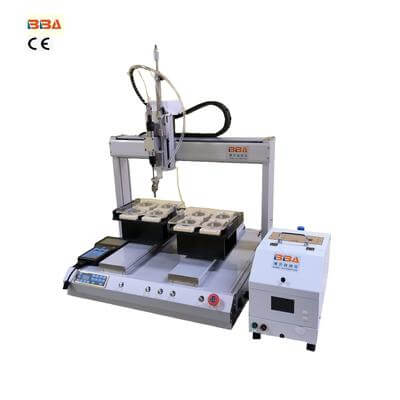
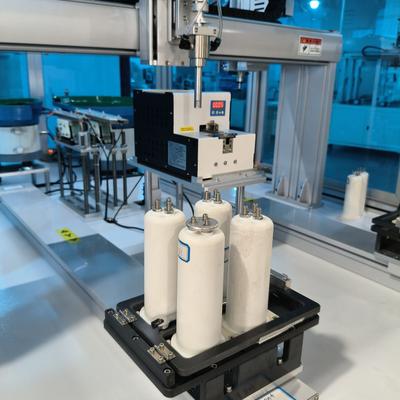
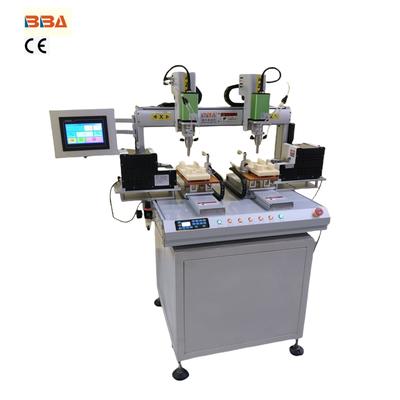
| Auto Screwdriver Machine | Toy and Game Console Production |
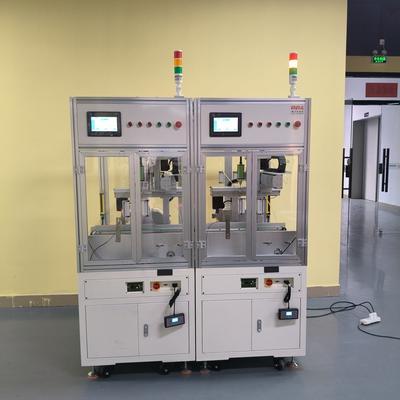
In the world of industrial automation, precision and efficiency are non-negotiable. Complex assembly processes, particularly those involving multiple fastening steps, demand meticulous planning to avoid errors, reduce downtime, and ensure product integrity. Custom tightening sequences have emerged as a critical solution for manufacturers aiming to optimize workflows while maintaining the highest standards of quality.
Traditional assembly methods often rely on generalized tightening protocols, which may not account for the unique requirements of intricate components. For example, a turbine engine assembly might involve dozens of bolts with varying torque specifications, interdependencies between fastening points, and strict tolerances. A one-size-fits-all approach risks uneven stress distribution, component misalignment, or even catastrophic failure. Custom sequences address these challenges by tailoring each step to the geometry, material properties, and functional demands of the assembly.
Modern automation systems leverage advanced software to design and execute these sequences. Engineers input parameters such as torque values, tightening order, and angular rotation limits into programmable controllers. Sensors embedded in smart tools then validate each action in real time, flagging deviations before they escalate. This closed-loop feedback ensures compliance with specifications while generating traceable data for quality audits. In aerospace applications, where a single loose fastener can compromise safety, such precision is indispensable.
The benefits extend beyond error prevention. Custom sequences minimize tool wear by optimizing the mechanical load distribution across fasteners. They also accelerate cycle times by eliminating redundant steps—for instance, avoiding the need to retighten bolts after thermal expansion in high-temperature environments. In automotive production lines, this translates to faster throughput without sacrificing the structural integrity of engine blocks or chassis components.
Integration with IoT-enabled systems takes customization further. Predictive analytics algorithms analyze historical tightening data to refine sequences dynamically, accounting for variables like ambient temperature or material batch variations. Maintenance teams receive alerts when tools drift out of calibration, enabling proactive adjustments. This adaptive approach reduces unplanned downtime and extends equipment lifespan, delivering ROI that rigid automation systems cannot match.
As industries push the boundaries of miniaturization and material science, the demand for hyper-customized assembly solutions will only grow. From medical devices with microscopic fasteners to renewable energy systems requiring corrosion-resistant joints, the ability to define precise tightening sequences will remain a cornerstone of manufacturing innovation. Companies investing in these technologies today position themselves to lead in markets where perfection is the baseline expectation.
Ultimately, custom tightening sequences represent more than a technical upgrade—they embody a shift toward intelligent, responsive manufacturing. By treating each assembly as a unique puzzle rather than a repetitive task, businesses unlock new levels of efficiency, reliability, and competitiveness in an increasingly complex industrial landscape.