Servo-Based Screw Machine Best Practices | Operation & Maintenance Guide
Best Practices for Operating Servo-Based Screw Machines
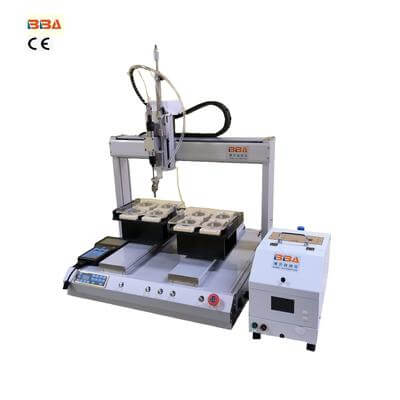
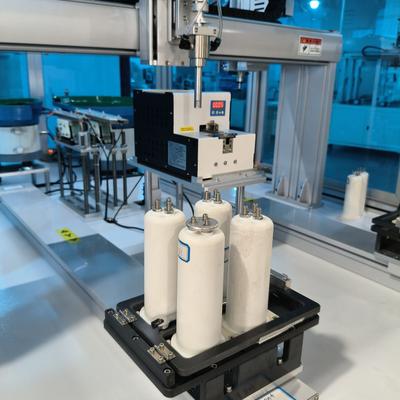
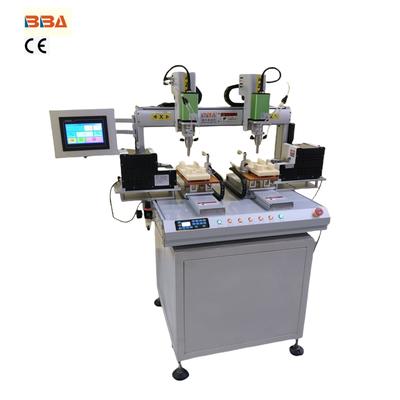
Servo-based screw machines represent a significant advancement in industrial automation, offering unparalleled precision, flexibility, and efficiency in assembly processes. To maximize the performance and longevity of these sophisticated systems, operators and maintenance personnel must adhere to a set of best practices. Proper operation not only ensures optimal productivity but also minimizes downtime and reduces the risk of costly errors.
1. Comprehensive Operator Training
Thorough training is the cornerstone of effective servo screw machine operation. Operators must possess a deep understanding of the machine’s control interface, programming basics, and safety protocols. Training should cover:
- Navigating the HMI (Human-Machine Interface) to input parameters and recipes.
- Interpreting error messages and performing basic troubleshooting.
- Understanding the relationship between torque, angle, and speed settings to achieve perfect fastening results.
- Recognizing abnormal sounds or behaviors that may indicate a potential issue.
Investing in continuous education ensures that your team remains proficient and confident in handling the equipment.
2. Rigorous Preventive Maintenance
A proactive maintenance schedule is critical for servo-driven systems. These machines consist of precision components that require regular attention to perform reliably. Key maintenance tasks include:
- Regular Lubrication: Follow the manufacturer’s guidelines for lubricating the screw feeder and mechanical components to prevent wear and ensure smooth operation.
- Calibration Checks: Periodically verify the calibration of the servo motor and torque sensor to guarantee fastening accuracy. An uncalibrated machine can produce defective assemblies.
- Inspecting Wear Parts: Examine bits, nozzles, and feeder components for signs of wear or damage. Replace them promptly to maintain consistent quality and avoid jams.
- Cleaning: Keep the machine free from dust, debris, and metal shavings that can interfere with sensitive electronics and mechanical movement.
Document all maintenance activities to track the machine’s health and predict future needs.
3. Optimal Process Parameter Setup
Configuring the correct process parameters is essential for achieving high-quality fastenings. Servo technology provides exceptional control over the fastening curve. Best practices include:
- Utilize the multi-stage fastening capability to set appropriate speeds for different phases (e.g., a faster speed for screw pickup and a slower speed for final tightening).
- Establish precise torque and angle limits to detect cross-threading, stripped screws, or missing screws. This process monitoring is vital for quality assurance.
- Avoid pushing the machine beyond its specified limits. While servos are powerful, consistently operating at maximum torque or speed can shorten the system's lifespan.
Take the time to develop and validate optimal recipes for each unique assembly task.
4. Prioritizing Safety
Safety must never be compromised. Servo-based screw machines are powerful pieces of equipment. Implement these safety measures:
- Always utilize all provided safety guards and interlocks. Never operate the machine with these features disabled.
- Ensure operators wear appropriate Personal Protective Equipment (PPE), such as safety glasses.
- Establish a clear and immediate emergency stop procedure that all personnel understand.
- Keep the work area around the machine clean and organized to prevent tripping hazards.
5. Data Monitoring and Analysis
Modern servo screw machines are data powerhouses. Leveraging this data is a key best practice for continuous improvement:
- Regularly review fastening data and statistical process control (SPC) reports to identify trends or deviations from the norm.
- Use historical data to pinpoint recurring errors, allowing for root cause analysis and process refinement.
- Connect machines to a centralized monitoring system for real-time oversight and faster response to any process anomalies.
By integrating these best practices into your daily operations, you will unlock the full potential of your servo-based screw machines. The result is a robust, efficient, and high-quality assembly process that drives productivity and maintains a competitive edge in the demanding field of industrial automation.
| Product Name | Applicable industries |
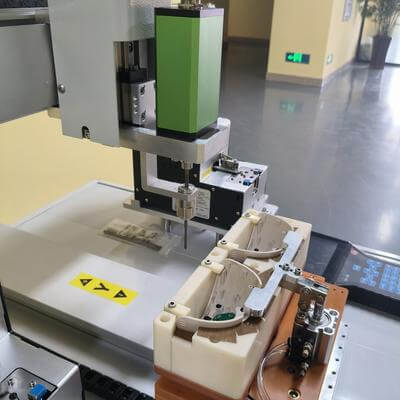
| Servo Screwdriver Robot | Toy and Game Console Production |